





What's Happening?
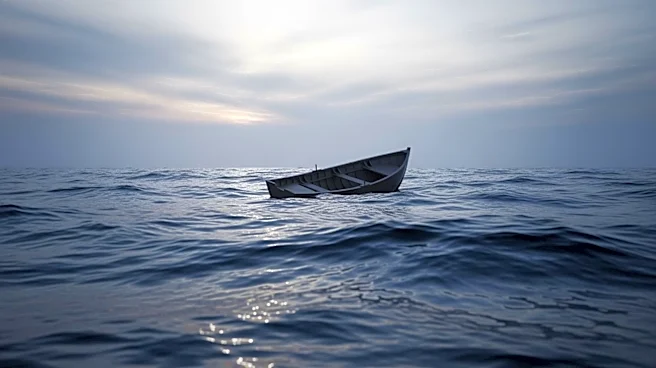
A tragic incident occurred in the Mediterranean Sea when a boat carrying over 100 migrants capsized after departing from Libya. Advocacy groups reported that only 32 individuals have been confirmed as survivors, while at least two people have died and
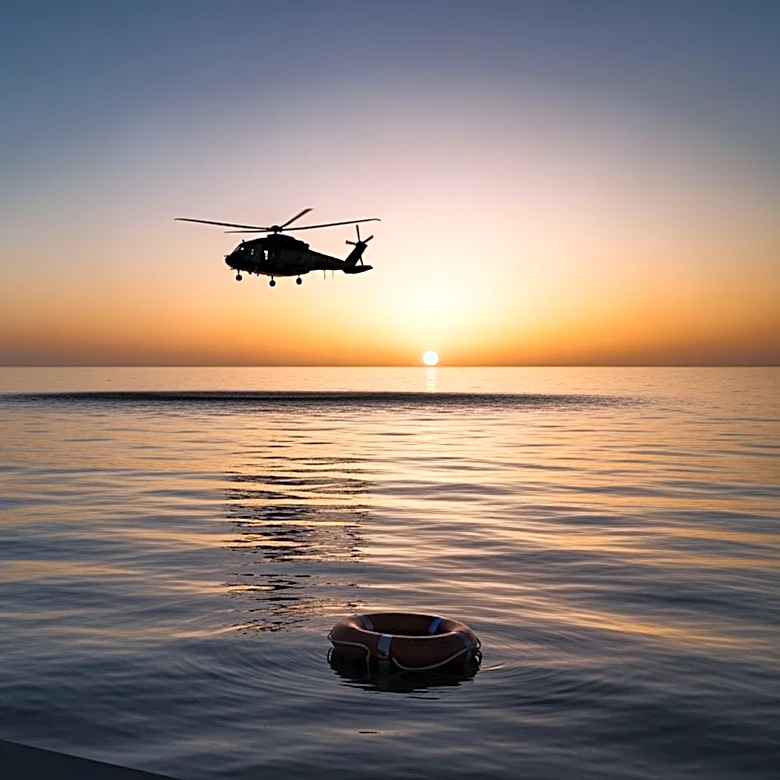
more than 70 are missing. The boat capsized in a search-and-rescue zone managed by Libyan authorities. Italian rescue coordinator Mediterranea Saving Humans attributed the tragedy to European governments' policies that fail to provide safe and legal pathways for migrants. The German NGO Sea-Watch monitored the incident from the air and coordinated rescue efforts, with survivors being taken to the Italian island of Lampedusa by two passing merchant ships. This incident adds to the growing number of migrant casualties in the Mediterranean, with at least 683 migrants having drowned or gone missing in 2026, according to the UN's International Organization for Migration.
Why It's Important?
The capsizing of the migrant boat highlights the ongoing humanitarian crisis in the Mediterranean, where thousands of migrants risk their lives attempting to reach Europe. The incident underscores the urgent need for European governments to address migration policies and create safer, legal routes for migrants. The high number of casualties this year alone points to systemic issues in handling migration and the lack of adequate rescue operations. This tragedy could increase pressure on European nations to reconsider their stance on funding and supporting search-and-rescue missions, as well as to address the root causes of migration from regions like Libya.
What's Next?
In the wake of this incident, there may be increased calls from humanitarian organizations and advocacy groups for European governments to reassess their migration policies. The focus could shift towards enhancing search-and-rescue operations and establishing more secure pathways for migrants. Additionally, there might be diplomatic discussions between European countries and Libya regarding the management of search-and-rescue zones. The incident could also influence public opinion and policy debates within Europe about the treatment of migrants and the responsibilities of European nations in addressing the crisis.
Beyond the Headlines
The tragedy of the capsized boat also raises ethical questions about the responsibilities of European nations in preventing such incidents. The lack of safe migration routes forces many to undertake perilous journeys, highlighting the need for a more compassionate and coordinated international response. The incident may also have long-term implications for European immigration policies and the political landscape, as public pressure mounts for more humane treatment of migrants. Furthermore, it could lead to increased scrutiny of the role of NGOs and their capacity to operate effectively in the Mediterranean.