





What's Happening?
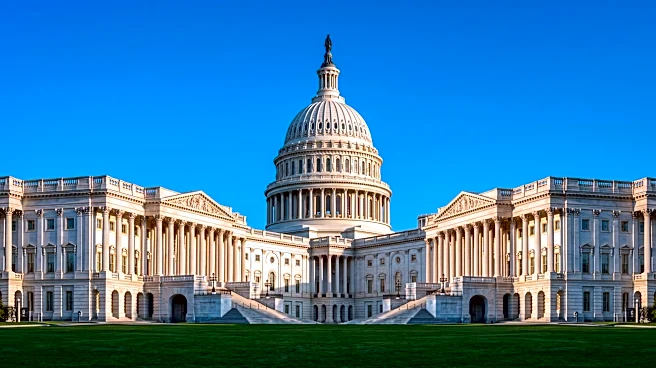
A U.S. House Republican has introduced new legislation aimed at prohibiting Chinese seafood from being served in congressional dining facilities. The proposed bill cites widespread concerns regarding forced labor within China's fishing, seafood harvesting,
aquaculture, and processing supply chains. The lawmaker argues that a lack of traceability in these supply chains further exacerbates the issue, making it difficult to ensure that products are not tainted by forced labor practices. This legislative effort highlights growing scrutiny over the origins of food products served in government institutions and the ethical implications associated with international supply chains, particularly those linked to alleged human rights abuses.
Why It's Important?
This legislative move is significant as it underscores the increasing focus within the U.S. government on human rights issues and fair labor practices in global trade. If passed, the ban would not only affect the types of seafood available in congressional dining facilities but could also set a precedent for broader restrictions on Chinese seafood imports across other government sectors or even the private market. It signals a potential shift towards more stringent sourcing policies, compelling businesses and government agencies to re-evaluate their supply chains for ethical compliance. This action could also pressure China to address allegations of forced labor in its seafood industry, impacting trade relations and potentially influencing consumer choices in the U.S. market.
What's Next?
The proposed legislation will now proceed through the U.S. House of Representatives, where it will undergo committee review and potentially a vote. Stakeholders, including seafood industry associations, human rights organizations, and the Chinese government, are likely to react to this development. The bill's progression could lead to debates on trade policy, human rights, and national security. If the bill gains traction, it might encourage other lawmakers to propose similar restrictions on products from regions with documented forced labor issues. The outcome will depend on congressional support and the broader political climate surrounding U.S.-China relations and ethical sourcing.
Beyond the Headlines
Beyond the immediate impact on congressional dining, this initiative touches upon deeper ethical and economic considerations. It highlights the complex challenge of ensuring ethical supply chains in a globalized economy, where products often pass through multiple jurisdictions with varying labor standards. The move could spark a broader conversation about corporate social responsibility and the role of government in enforcing human rights through trade policy. It also raises questions about the effectiveness of such bans in addressing systemic issues like forced labor and whether they can genuinely lead to improved conditions or merely shift problematic practices to less scrutinized areas. The long-term implications could include a re-evaluation of global trade agreements and a push for more transparent and verifiable supply chain practices.