










What's Happening?
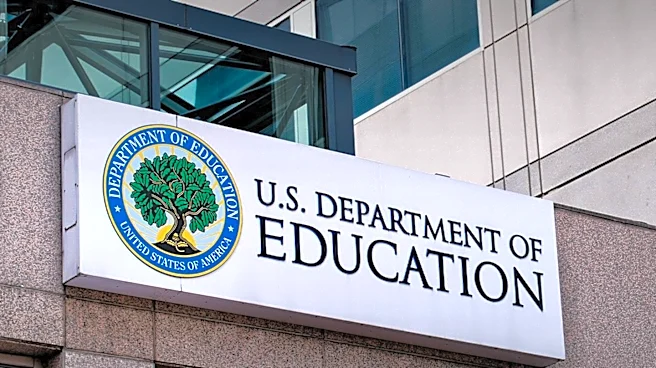
The U.S. Department of Education has finalized a new accountability metric, the Do No Harm test, which aims to hold colleges accountable for student outcomes by cutting off federal loan access for low-earning degree programs. The metric compares the earnings
of graduates to those with only a high school diploma. Initial data will be released in 2027, with penalties starting in 2028 for programs that fail the test. However, programs reliant on tip-based income, such as cosmetology and culinary arts, will have delayed penalties due to concerns about underreported earnings.
Why It's Important?
This new accountability measure could significantly impact colleges, particularly those with programs that fail to meet the earnings threshold. The potential loss of federal loan access could lead to program closures and affect students' ability to finance their education. The delay in penalties for tip-based programs highlights the complexities of accurately assessing program outcomes. This development underscores the ongoing debate about the role of higher education in preparing students for the workforce and the need for accountability in educational outcomes.
What's Next?
Colleges will need to prepare for the implementation of the Do No Harm test by evaluating their programs' outcomes and making necessary adjustments to meet the earnings criteria. Institutions with programs at risk of losing loan access may need to enhance career support services and improve graduate earnings. The Education Department will continue to monitor and refine the metric, with potential legislative actions to address concerns about fairness and accuracy in the assessment process.