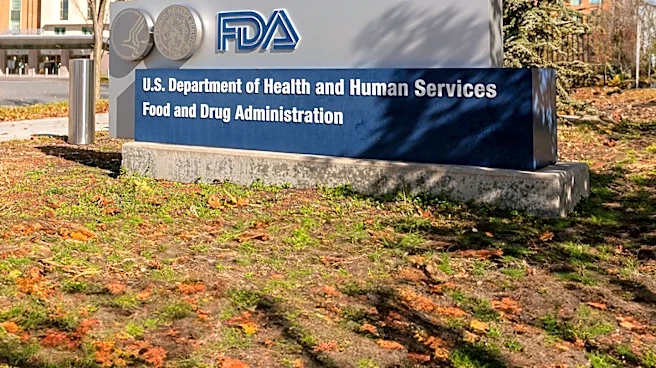










What's Happening?
Consumer Reports has conducted a food safety investigation revealing that certain rice products contain concerning levels of inorganic arsenic, a harmful heavy metal and known carcinogen. The investigation involved testing 52 rice products, all of which
showed measurable levels of arsenic. Brown rice was found to have higher levels of inorganic arsenic compared to white rice, while basmati and sushi rice had lower levels. The report highlights that more than 40% of the tested products contained enough arsenic that consuming just one serving a day could increase the risk of cancer and type 2 diabetes. Some brands, like Lundberg and Whole Foods, have stated that their products meet California's strict safety limits, while others did not respond to inquiries.
Why It's Important?
The presence of inorganic arsenic in rice products poses significant health risks to consumers, including increased chances of developing skin and bladder cancer, type 2 diabetes, and cardiovascular issues. This investigation underscores the need for regulatory oversight to ensure food safety. Consumer Reports is advocating for the FDA to establish arsenic limits for all rice products, which could lead to stricter safety standards and better protection for consumers. The findings may also influence consumer behavior, encouraging people to diversify their diets and reduce rice consumption.
What's Next?
Consumer Reports' call for the FDA to set arsenic limits on rice products could lead to regulatory changes in the food industry. If the FDA responds to these concerns, it may implement new guidelines that manufacturers must follow to ensure their products are safe for consumption. This could also prompt companies to enhance their testing and quality control measures to comply with potential new regulations. In the meantime, consumers are advised to consider alternative grains and cooking methods to reduce arsenic exposure.