





What's Happening?
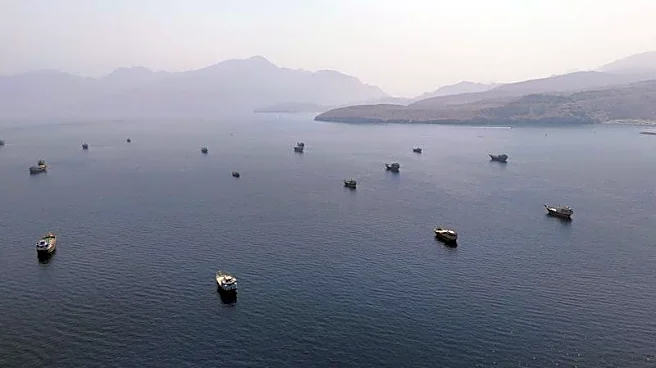
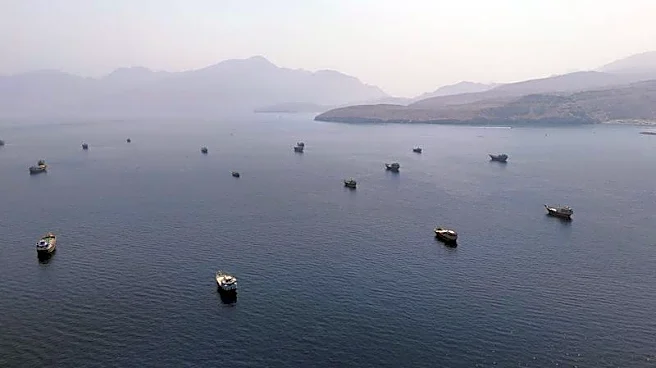
Saudi Arabia has rerouted oil exports, utilizing its Gulf export terminals, after Houthi strikes targeted the Yanbu terminal on the Red Sea. Satellite images from Bloomberg indicate a significant increase in supertankers at Saudi Arabia's Gulf export terminals, reaching
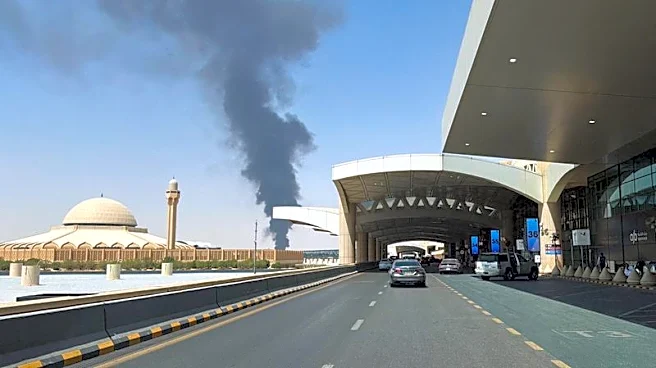
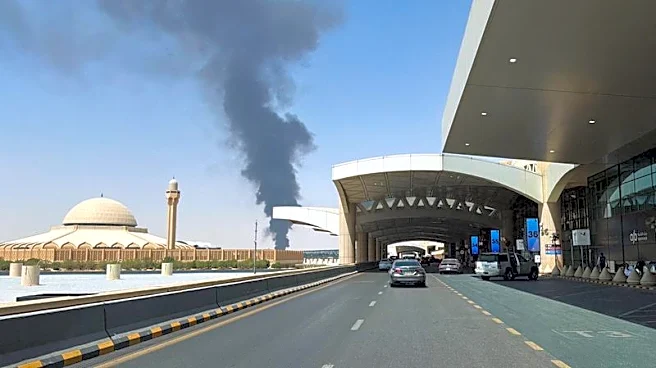
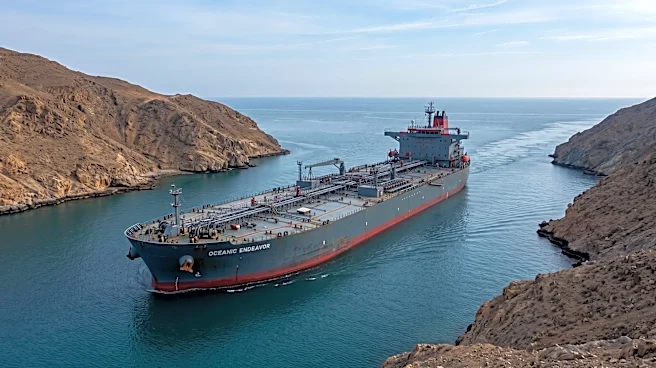
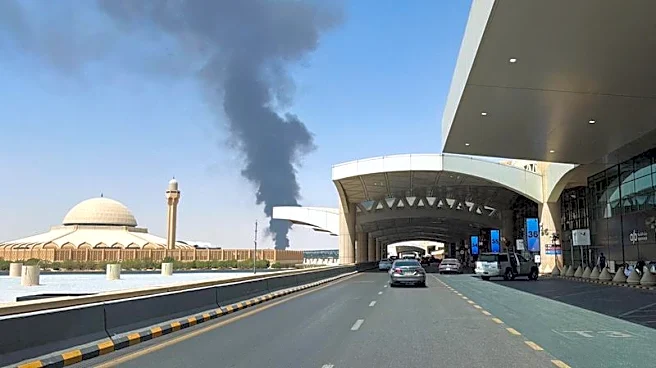
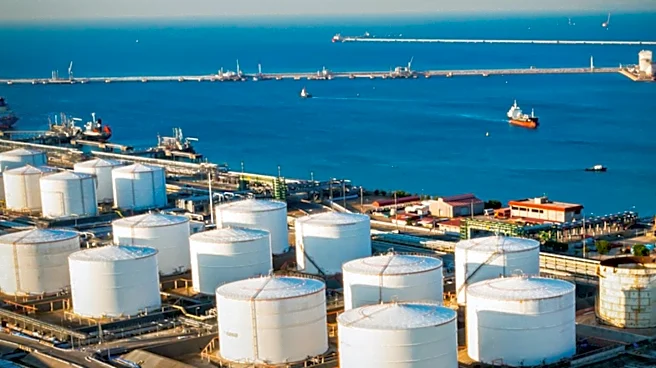
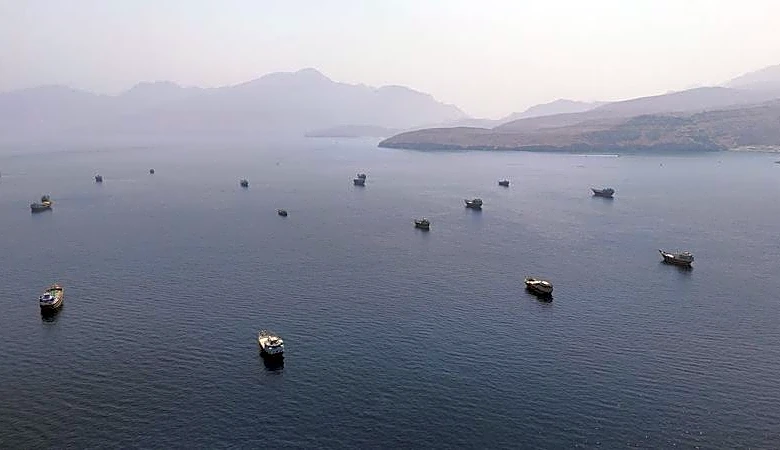
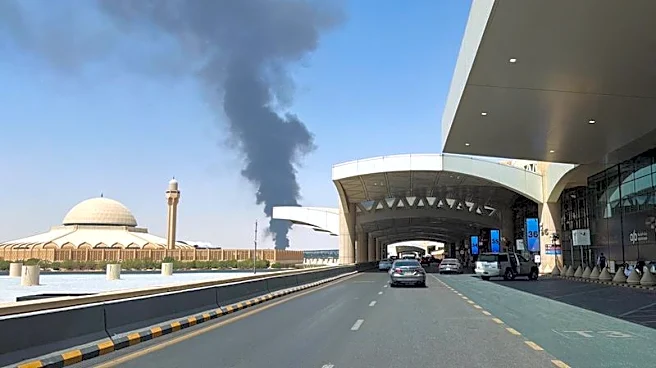
the highest count since June. This shift comes after drone strikes on September 11 from Iraq shut down the East-West pipeline, also known as Petroline, which typically transports up to 7 million barrels per day to Yanbu. The attack took 4-5 million barrels per day of capacity offline, causing total Saudi crude loadings to drop by over 70% by mid-September. Although U.S. Energy Secretary Chris Wright initially stated the pipeline would restart within days, an industry analyst suggested full restoration could take six weeks or more due to pump station destruction. Yemen's Houthi movement claimed responsibility for cruise missile, ballistic missile, and drone strikes on Riyadh and Aramco facilities at Yanbu on September 18-19, which Saudi Arabia confirmed targeted civilian infrastructure at the port. While a missile on Riyadh was intercepted and no casualties or damage were reported from either strike, the incident places Yanbu, a primary export outlet since the Hormuz freeze, under renewed threat. Aramco is now piping crude to its Ras Tanura terminal on the Persian Gulf, shipping it on smaller vessels to the Gulf of Oman, and transferring it to larger tankers for delivery, primarily to Chinese and South Korean refiners. Gulf exports have rebounded to an average of 1 million to 1.5 million barrels per day, aligning with August levels.
Why It's Important?
The rerouting of Saudi oil exports and the targeting of key infrastructure have significant implications for global energy markets and U.S. energy security. Saudi Arabia is a major global oil producer, and disruptions to its export capabilities can lead to increased volatility in crude oil prices. The East-West pipeline's reduced capacity and the threat to the Yanbu terminal highlight the vulnerability of critical energy infrastructure to regional conflicts. This situation could impact U.S. consumers through higher gasoline prices and could influence strategic energy reserves and foreign policy decisions. The reliance on alternative shipping routes, such as through the Strait of Hormuz, which has seen fluctuating traffic, underscores the geopolitical risks associated with oil transportation. The shift in export patterns and potential delays in restoring full pipeline capacity could also affect the global supply chain, impacting industries reliant on stable oil prices and consistent supply. The incident emphasizes the need for robust security measures for energy infrastructure and highlights the broader challenges of maintaining stability in oil-producing regions.
What's Next?
The immediate focus will be on the restoration of the East-West pipeline and the security of the Yanbu terminal. Saudi Aramco officials have informally indicated to at least three Asian refiners that crude oil cargoes may soon be available at the Yanbu port, though no specific timelines have been provided. Repairs on the East-West pipeline are estimated to take three to five weeks, with a target for partial operations to resume within days and full capacity in about six weeks. Increased shipments through Hormuz and the potential recovery of Yanbu loadings could alleviate market concerns regarding Saudi supply. However, the ongoing threat from Houthi attacks means that the security situation around Saudi oil infrastructure will remain a critical factor. Global oil prices, such as Brent and WTI crude, will likely continue to react to developments in the region and updates on pipeline repairs and export capabilities. International diplomatic efforts may also intensify to de-escalate tensions and ensure the stability of oil supplies from the Middle East.
Beyond the Headlines
The repeated targeting of Saudi oil infrastructure by Houthi forces reveals a deeper geopolitical struggle with significant implications for global energy stability. Beyond the immediate impact on oil prices and supply routes, these attacks underscore the evolving nature of warfare, where non-state actors can significantly disrupt critical international commerce. The vulnerability of pipelines and port facilities to drone and missile attacks necessitates a re-evaluation of defense strategies for energy assets worldwide. This situation also highlights the complex interplay between regional conflicts and global economic stability, demonstrating how localized tensions can have far-reaching consequences. The rerouting of oil exports and the increased reliance on sea lanes could lead to higher shipping costs and insurance premiums, indirectly affecting consumer prices globally. Furthermore, the incident could accelerate the push for diversification of energy sources and supply routes, as nations seek to reduce their dependence on volatile regions. The long-term implications include potential shifts in global energy alliances and increased investment in resilient energy infrastructure.