







What's Happening?
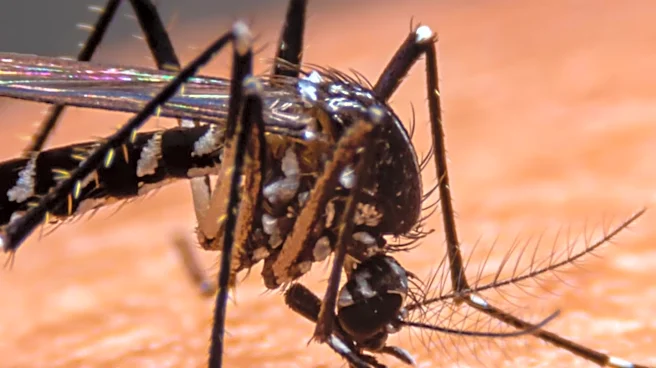
The RTS,S malaria vaccine, introduced in Cameroon as part of a routine immunization program, is showing promise in reducing severe malaria cases among children. Cameroon, one of the countries with the highest malaria burden, has seen a decrease in malaria cases since
the vaccine's introduction. However, health workers are concerned about the low return rate for the fourth and final booster dose, which is crucial for prolonged immunity. The World Health Organization emphasizes the importance of this dose, but logistical challenges such as transport costs and lack of reminders are hindering its uptake. Despite these challenges, the vaccine is considered a significant step forward in combating malaria, with ongoing efforts to develop a single-dose version.
Why It's Important?
The introduction of the RTS,S malaria vaccine in Africa is a critical development in the fight against one of the continent's deadliest diseases. Malaria remains a leading cause of illness and death, particularly among children. The vaccine's ability to reduce severe cases could significantly impact public health outcomes. However, the challenges in administering the full vaccine regimen highlight broader issues in healthcare delivery, such as access and follow-up care. Addressing these challenges is essential to maximize the vaccine's potential benefits and improve health outcomes across affected regions.
What's Next?
Efforts are underway to improve the administration of the malaria vaccine's fourth dose. Health organizations are exploring solutions to logistical barriers, such as enhancing reminder systems and reducing transport costs. Additionally, research continues on developing a single-dose malaria vaccine, which could simplify the vaccination process and increase coverage. These efforts are crucial to ensuring the long-term success of malaria vaccination programs and reducing the disease's burden in Africa.
Beyond the Headlines
The challenges faced in the malaria vaccine rollout reflect broader issues in global health, such as the need for sustainable healthcare infrastructure and effective public health strategies. The situation underscores the importance of international collaboration and investment in healthcare systems to address diseases that disproportionately affect low-income regions. The success of the malaria vaccine could serve as a model for future vaccination efforts against other infectious diseases.