
What's Happening?
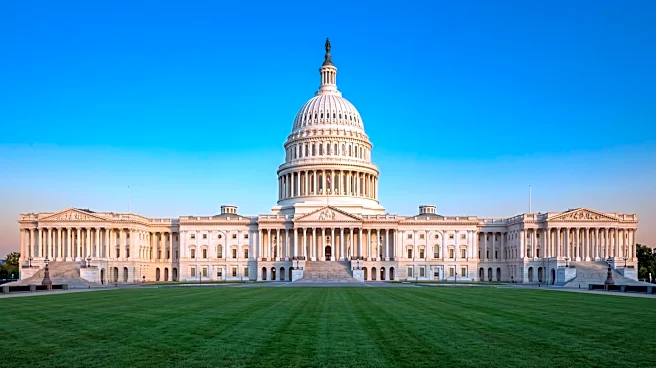
Members of the U.S. Congress, along with their spouses and dependent children, are legally permitted to buy and sell individual stocks. This practice is governed by the Stop Trading on Congressional Knowledge
(STOCK) Act of 2012. The law explicitly states that members and congressional staff are not exempt from insider trading prohibitions, meaning they cannot trade on material nonpublic information obtained through their official positions. However, the act does not require members to divest their holdings or use blind trusts. Instead, it mandates public disclosure of trades exceeding $1,000 within 30 days of notification, and no later than 45 days after the transaction. While trading a defense stock while serving on the Armed Services Committee is considered a conflict of interest, it is legal; trading based on nonpublic contract decisions from a closed briefing is illegal insider trading. Data from Kapitol.ai for 2026 shows that 86% of transactions were filed within the 45-day limit, though 1,427 transactions from 43 filers were reported late, incurring a minimum $200 fee.
Why It's Important?
The legality of congressional stock trading raises significant questions about transparency, potential conflicts of interest, and public trust in government. While the STOCK Act aims to prevent insider trading, the distinction between legal conflict of interest and illegal insider trading can be nuanced and difficult to prove in court. The ability of lawmakers to trade stocks in sectors they oversee creates a perception, and sometimes a reality, of unfair advantage, potentially influencing legislative decisions for personal financial gain. This can erode public confidence in the integrity of the legislative process. The reporting requirements, while intended to provide transparency, also highlight instances of late filings, suggesting that enforcement and accountability could be strengthened. The ongoing debate about whether members should be allowed to trade individual stocks reflects a broader societal concern about ethical conduct among public officials and the potential for financial markets to be influenced by privileged information.
What's Next?
The debate surrounding congressional stock trading is likely to continue, with potential for further legislative action. A House-passed bill aimed at stopping most new stock purchases by members has not yet been passed by the Senate, indicating ongoing disagreement on stricter regulations. Future discussions may focus on mandating blind trusts, prohibiting individual stock ownership for members and their families, or increasing penalties for late disclosures. Public pressure and advocacy groups will likely continue to push for greater transparency and stricter ethical guidelines. The effectiveness of the STOCK Act will remain under scrutiny, particularly regarding the enforcement of insider trading prohibitions and the timely reporting of transactions. Any changes to the current regulations would significantly impact how lawmakers manage their personal finances and could alter public perception of congressional integrity.
Beyond the Headlines
The issue of congressional stock trading delves into the ethical foundations of public service and the inherent tension between personal financial freedom and the responsibilities of elected office. The 'spouse loophole,' where trades are technically attributed to a partner, highlights a legal workaround that can obscure the true financial interests of lawmakers. This raises questions about the spirit versus the letter of the law and whether current regulations adequately address indirect financial benefits. The difficulty in prosecuting insider trading cases against members of Congress, often due to the high burden of proof for demonstrating the use of nonpublic information, underscores a systemic challenge. This situation contributes to a broader narrative of political elites operating under different rules, potentially fostering cynicism and distrust in democratic institutions. Addressing these deeper implications requires not just legal reform but also a cultural shift towards greater accountability and ethical leadership within Congress.