
What's Happening?
Laurent Vinatier, a French political scholar, has been released from a Russian prison as part of a prisoner swap with France. Vinatier was serving a three-year sentence for failing to register as a 'foreign
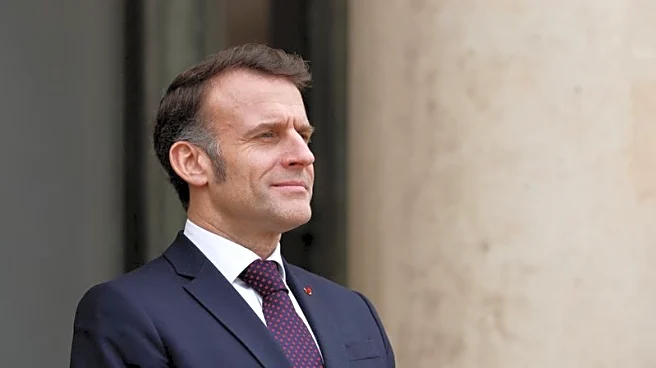
agent' while collecting information on Russia's military activities. His release was confirmed by French President Emmanuel Macron, who expressed relief and gratitude to diplomatic staff. In exchange, Russian basketball player Daniil Kasatkin, who was held in France on hacking charges at the request of the United States, was returned to Russia. This swap follows a larger exchange in August 2024, which involved multiple individuals from both sides.
Why It's Important?
This prisoner swap highlights ongoing diplomatic negotiations between Russia and Western nations, particularly in the context of heightened tensions following Russia's actions in Ukraine. The release of Vinatier and Kasatkin underscores the strategic use of foreign detainees as bargaining chips in international relations. For France, securing Vinatier's release is a diplomatic success, while Russia benefits from the return of Kasatkin, who was implicated in a hacking case. This event may influence future diplomatic strategies and prisoner negotiations between Russia and Western countries.
What's Next?
The release of Vinatier and Kasatkin may lead to further diplomatic engagements between Russia and France, potentially easing tensions. However, the broader geopolitical landscape remains complex, with ongoing conflicts and sanctions affecting relations. Future prisoner swaps could be influenced by this precedent, as countries may seek to leverage detained individuals for diplomatic gains. Observers will watch for any changes in Russia's approach to foreign detainees and the potential impact on international diplomacy.
Beyond the Headlines
The legal and ethical implications of using foreign nationals as bargaining tools in international diplomacy are significant. This practice raises questions about the fairness of legal proceedings and the treatment of foreign detainees. Additionally, the use of 'foreign agent' laws to detain individuals collecting information highlights concerns about freedom of expression and the suppression of dissent. These issues may prompt discussions on international legal standards and human rights protections.