


What's Happening?
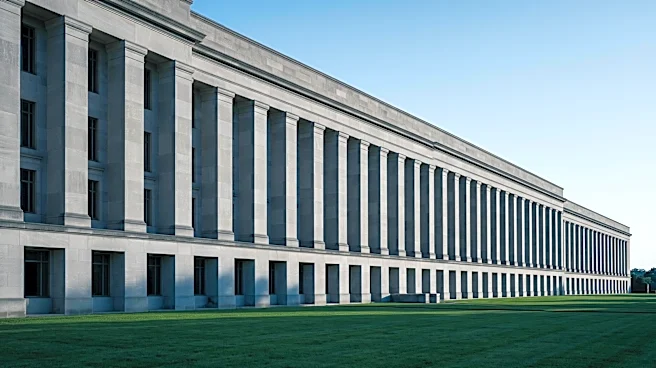
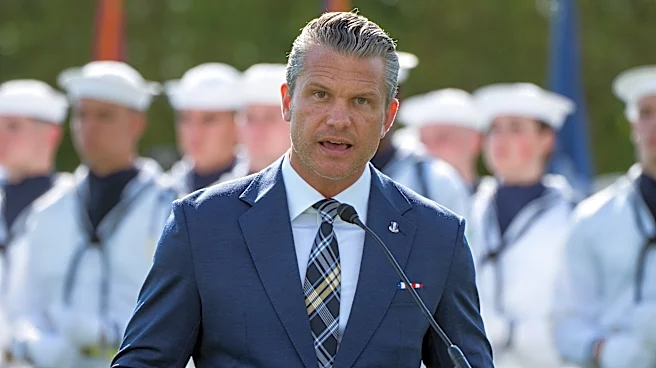
U.S. Secretary of War, Pete Hegseth, is set to announce a 20% reduction in admiral and general positions as part of a broader Pentagon restructuring plan. This announcement is expected during his speech on the state of the Armed Forces in Quantico, Virginia.
This move follows previous attempts to limit the number of four-star generals and admirals by at least 10% last year. These cuts are in addition to approximately twenty military leaders across various branches who have been removed since Hegseth assumed office, a situation that has raised concerns among members of Congress. Republican Senator Susan Collins, Chair of the Senate Appropriations Committee, expressed worry in July regarding the dismissal of senior military officers and the obstruction of promotions for lower-ranking personnel. Furthermore, Republican Representative Thomas Massie filed eight articles of impeachment against Hegseth on September 15, 2026, accusing him of abusing his authority by engaging in hostilities against Iran without congressional authorization. However, a vote on the impeachment has been delayed until November 9 due to the Speaker of the House, Mike Johnson, advancing the recess for the midterm elections.
Why It's Important?
This proposed 20% reduction in high-ranking military positions signifies a significant shift in the leadership structure of the U.S. Armed Forces. Such a substantial cut could streamline decision-making processes and potentially reduce bureaucratic inefficiencies within the Pentagon. However, it also raises questions about the impact on military readiness, morale, and the career progression of officers. The concerns voiced by Senator Collins highlight potential political interference in military leadership, which could undermine the non-partisan nature of the armed forces. The impeachment articles filed against Secretary Hegseth further complicate the situation, indicating a deep political divide and potential instability at the highest levels of military command. If Hegseth is found to have acted without congressional authorization, it could set a precedent for future executive actions in military engagements, potentially altering the balance of power between the executive and legislative branches regarding war powers. The ongoing political scrutiny and internal restructuring could affect the U.S.'s global military posture and its ability to respond to international crises effectively.
What's Next?
Secretary Hegseth is scheduled to deliver his speech on the state of the Armed Forces, where he is expected to formally announce the 20% reduction in general and admiral positions. Following this announcement, further details regarding the implementation of these cuts and their specific impact on various military branches are anticipated. The impeachment articles against Hegseth, filed by Representative Massie, will be debated and voted upon when Congress reconvenes on November 9. The outcome of this vote will determine the immediate future of Hegseth's tenure and could have significant political ramifications. Stakeholders, including military personnel, defense contractors, and international allies, will be closely watching these developments for clarity on the future direction of U.S. military policy and leadership. The congressional discussions and potential investigations into Hegseth's actions regarding Iran will also be critical in shaping public and political perception of the Secretary of War's role and authority.
Beyond the Headlines
The controversy surrounding Secretary Hegseth, including the proposed military cuts and the impeachment efforts, points to a deeper struggle over civilian control of the military and the appropriate balance of power in foreign policy decisions. Hegseth's background as a National Guard officer and Fox News commentator, rather than a career military leader, has fueled debate about the qualifications and political nature of high-level defense appointments. This situation could exacerbate existing tensions between the military establishment and political leadership, potentially leading to a more politicized military command structure. The reduction in general and admiral positions, while framed as a restructuring effort, could also be interpreted as a move to consolidate power or to align military leadership more closely with the current administration's agenda. The long-term implications could include a shift in military doctrine, changes in defense spending priorities, and a re-evaluation of the role of senior military officers in policy-making. This ongoing saga highlights the delicate interplay between military strategy, political maneuvering, and constitutional checks and balances in the U.S. government.