





What's Happening?
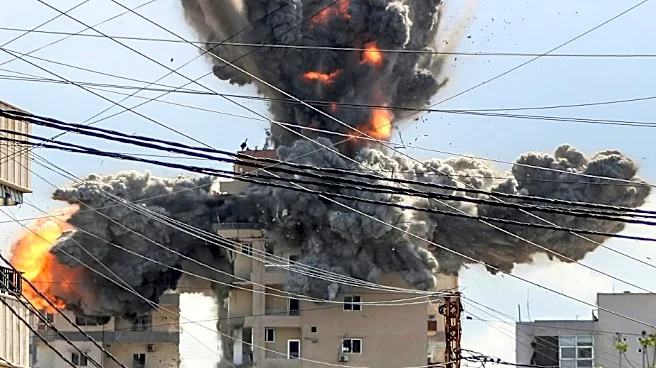
President Donald Trump has urged Israeli Prime Minister Benjamin Netanyahu to reduce military strikes in Lebanon, amid increasing international calls for a ceasefire. This request comes as part of efforts to facilitate negotiations with Iran, which has set
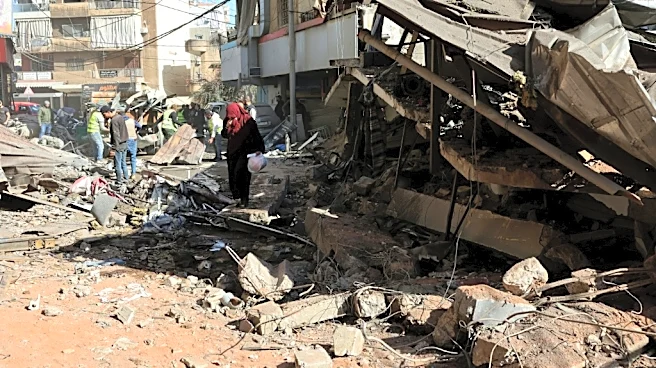
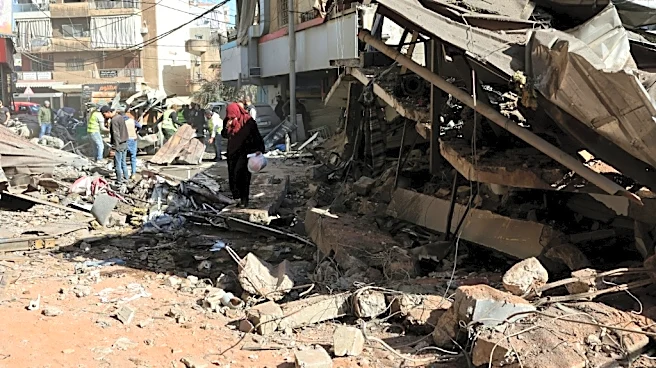
a ceasefire in Lebanon as a condition for its own agreement with the U.S. Despite Lebanon not being included in the current ceasefire arrangement, Israel has agreed to be a 'helpful partner' in the peace process. European leaders have criticized Israel's actions, warning of a humanitarian disaster and urging for Lebanon's inclusion in the ceasefire.
Why It's Important?
The situation highlights the complex geopolitical dynamics in the Middle East, where military actions in one country can have broader implications for regional stability. President Trump's intervention underscores the U.S.'s role in mediating conflicts and its strategic interest in maintaining peace in the region. The international criticism of Israel's actions reflects growing concerns over humanitarian impacts and the potential for escalating violence. This development could influence U.S.-Israel relations and impact ongoing negotiations with Iran, affecting broader Middle Eastern diplomacy.
What's Next?
The next steps may involve direct negotiations between Israel and Lebanon, focusing on disarming Hezbollah and establishing peaceful relations. The international community, including European allies, is likely to continue pressuring Israel to cease its military actions. The outcome of these diplomatic efforts could significantly impact the peace process in the Middle East and the U.S.'s ability to negotiate with Iran. The situation remains fluid, with potential for further developments depending on the responses from involved parties.
Beyond the Headlines
The call for reduced military action in Lebanon may have long-term implications for U.S. foreign policy and its approach to Middle Eastern conflicts. It highlights the challenges of balancing military strategies with diplomatic efforts to achieve peace. The situation also raises questions about the effectiveness of international pressure in influencing state actions and the role of global powers in conflict resolution. The humanitarian concerns underscore the need for comprehensive strategies that address both security and human rights issues.