






What's Happening?
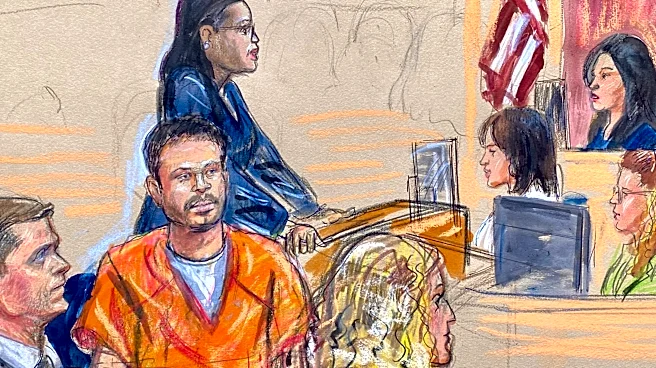
Cole Tomas Allen, a 31-year-old from California, has been charged with attempting to assassinate President Donald Trump during the White House Correspondents' Association Dinner. Recently, Allen was removed from suicide status at the Correctional Treatment
Facility in Washington, D.C., according to a court filing. His federal public defenders had previously sought his removal from this status, but the request was deemed moot. Allen faces charges under 18 U.S.C. § 1751(c) for attempted assassination, along with two firearms-related charges. During the incident, a buckshot from Allen's shotgun struck a Secret Service officer's vest, though the officer was unharmed. Allen's defense argues that the government's case is speculative, as Allen's writings did not explicitly mention President Trump. Allen remains in custody, with his defense team open to seeking his release in the future.
Why It's Important?
This case is significant due to its implications for national security and the legal system's handling of high-profile threats against public officials. The charges against Allen highlight the ongoing concerns about security at public events involving political figures. The case also raises questions about the mental health considerations in legal proceedings, as Allen's suicide status could impact his defense strategy and the court's decisions. The outcome of this case could influence future security protocols and legal approaches to similar threats, affecting how such incidents are managed and prosecuted.
What's Next?
Allen is expected to appear in federal court for pretrial hearings in the coming weeks. The investigation is ongoing, and further forensic and ballistic analyses may lead to additional charges. The court proceedings will continue to explore the evidence and arguments presented by both the prosecution and defense. The case's progression will be closely monitored, as it may set precedents for handling similar threats against public figures in the future.