
What's Happening?
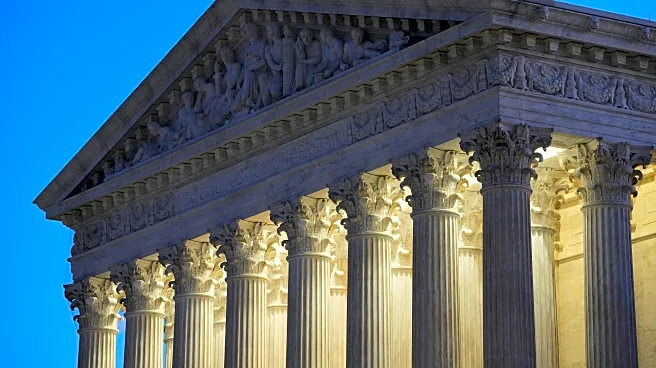
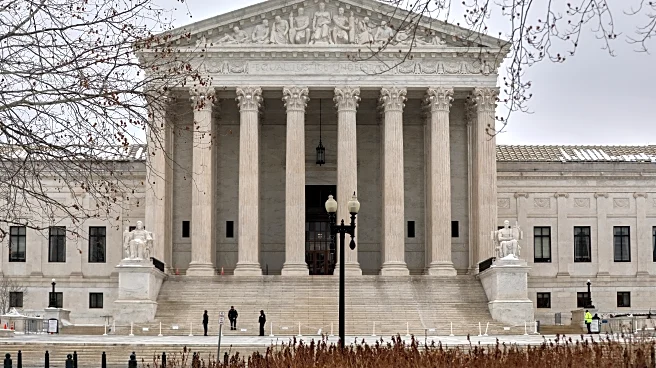
The U.S. Supreme Court is reviewing President Donald Trump's executive order that seeks to end birthright citizenship for children born on U.S. soil to immigrant parents who are undocumented or have lawful temporary status. The case, Trump v. Barbara,
is being closely watched by educators, as enforcement of the order could significantly increase the population of undocumented children, potentially discouraging their enrollment in public schools. The 1982 Supreme Court decision in Plyler v. Doe, which bars states from denying students a free public education based on immigration status, is under attack from forces supporting the birthright citizenship order. The case raises questions about the interpretation of the 14th Amendment and the rights of undocumented individuals in the United States.
Why It's Important?
The executive order could have far-reaching implications for the education system and the rights of undocumented students in the United States. If upheld, the order could lead to a significant increase in the number of undocumented children, potentially impacting their access to education and other public services. This could exacerbate existing challenges faced by schools in providing education to undocumented students and raise questions about the enforcement of the Plyler v. Doe decision. The case highlights the intersection of immigration policy and education, with potential consequences for the social and economic integration of immigrant communities.
What's Next?
The Supreme Court's decision on the executive order will be closely monitored by educators, civil rights organizations, and immigrant advocacy groups. If the court upholds the order, it could lead to further legal challenges and legislative actions aimed at redefining the rights of undocumented individuals in the United States. The ruling could also influence future debates on immigration policy and education, as stakeholders consider the implications for schools and students. The decision is expected by the end of June or early July, and it will likely have significant ramifications for U.S. immigration law and policy.