






What's Happening?
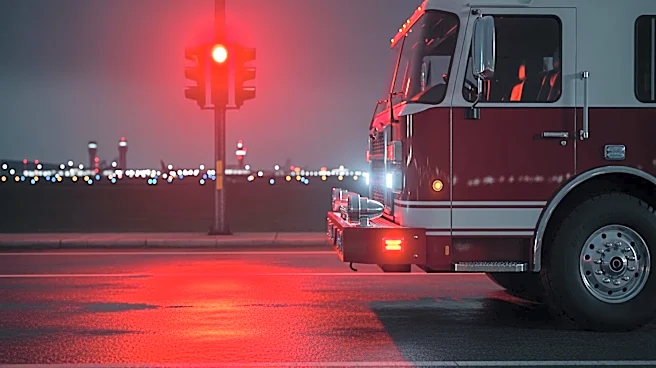
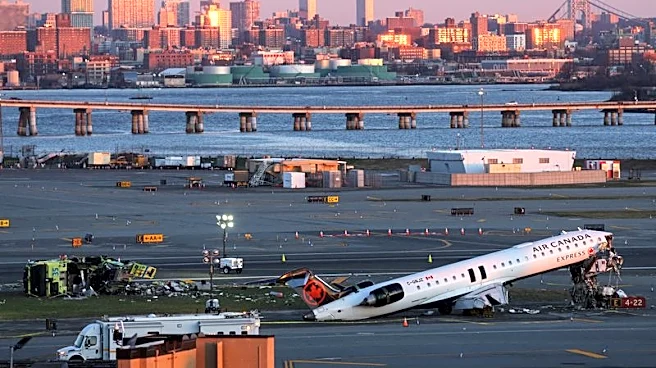
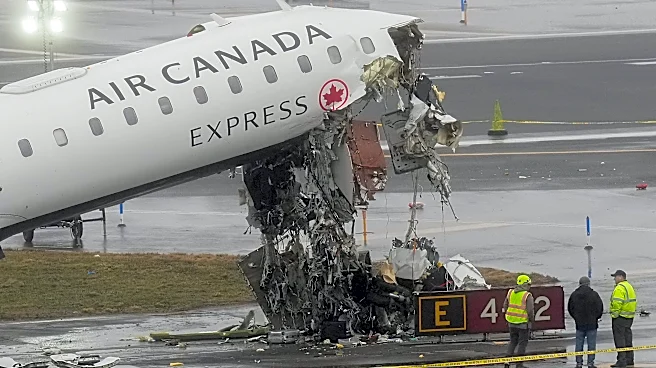
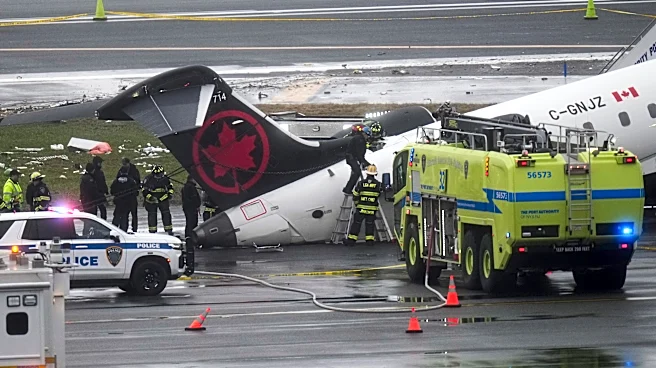
The National Transportation Safety Board (NTSB) has issued a preliminary report on the March 22, 2026, crash at LaGuardia Airport involving a commercial jet and a fire truck. The collision resulted in the deaths of two pilots and injuries to 39 passengers
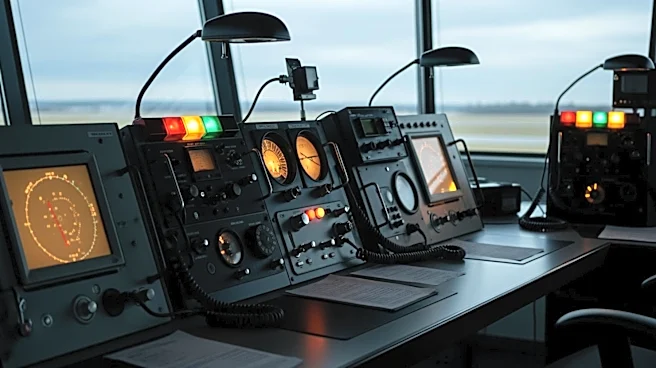
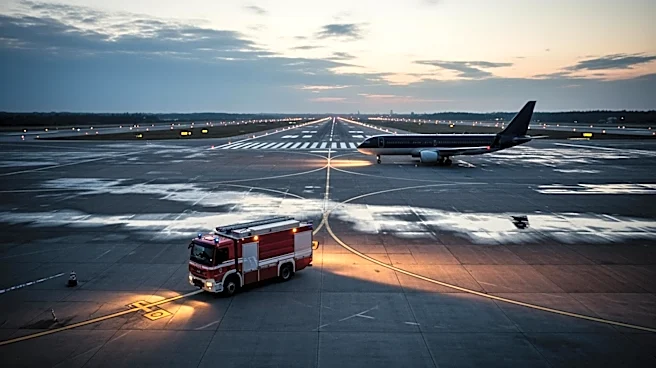
and two firefighters. The report highlights several contributing factors, including the absence of transponders on the fire trucks, which could have provided an automatic warning to air traffic controllers. The report also notes that communication issues in the control tower and the simultaneous management of multiple tasks by a single controller may have played a role. The NTSB's findings are preliminary, and a final conclusion on the cause of the accident is expected after further investigation.
Why It's Important?
The preliminary findings of the NTSB report underscore significant safety concerns at major airports, particularly regarding the coordination between air traffic control and emergency response vehicles. The absence of transponders on emergency vehicles is a critical issue, as it limits the ability to track and manage these vehicles effectively during emergencies. This incident highlights the need for improved safety protocols and technology upgrades to prevent similar tragedies. The findings could lead to policy changes and increased pressure on airport authorities to enhance safety measures, potentially impacting airport operations and safety standards nationwide.
What's Next?
The NTSB will continue its investigation to determine the definitive cause of the crash, which could take up to a year. In the meantime, the Federal Aviation Administration (FAA) and airport authorities may face increased scrutiny and pressure to implement recommended safety measures, such as equipping emergency vehicles with transponders. Stakeholders, including airlines and airport operators, will likely be involved in discussions to improve safety protocols and prevent future incidents. The outcome of this investigation could lead to regulatory changes and influence future airport safety policies.