


What's Happening?
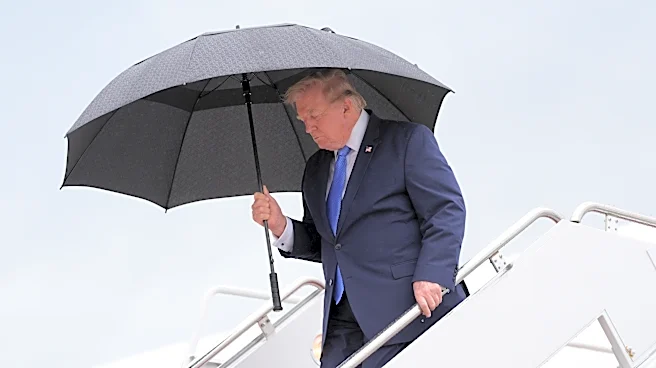
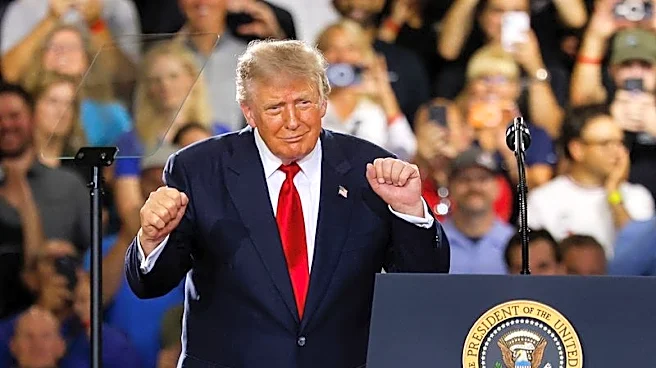
President Trump's approval rating on the economy has fallen to 32%, according to a new AP-NORC poll. This marks a significant decline from the 40% approval at the start of his second term. The poll highlights that immigration remains a stronger issue
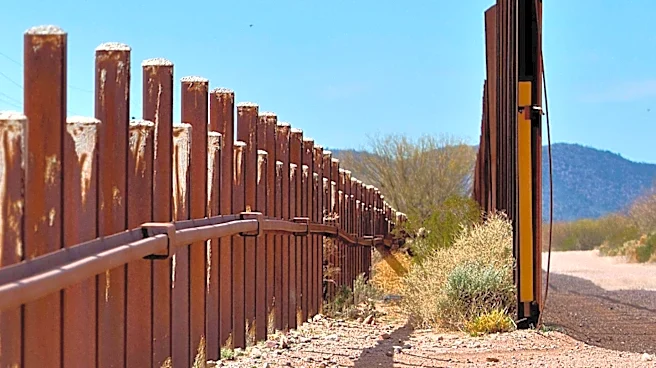
for Trump than the economy or Iran, with 39% of U.S. adults approving of his performance on immigration. Despite this, about 8 in 10 Republicans continue to support his immigration policies, although this is a slight decline from earlier in his term. The poll also reveals that about half of U.S. adults believe Trump has 'gone too far' in deporting immigrants living in the U.S. illegally. Trump's overall popularity has decreased since taking office, with his handling of Iran also seeing a decline in approval among Republicans.
Why It's Important?
The decline in President Trump's approval rating on the economy is significant as it reflects broader dissatisfaction among Americans, including within his Republican base. This could have implications for his political leverage and policy-making capabilities. The economy has traditionally been a strong point for Trump, and a drop in approval could affect his ability to rally support for economic policies. Additionally, the steady disapproval of his immigration policies among the general public, despite strong Republican support, suggests a polarized electorate. This polarization could influence upcoming elections and legislative priorities, particularly as immigration and economic issues remain central to national discourse.
What's Next?
The decline in approval ratings may prompt President Trump to adjust his economic and immigration strategies to regain support. Political analysts will likely monitor any shifts in policy or rhetoric aimed at addressing public concerns. The upcoming elections could serve as a critical test of Trump's ability to maintain his base while appealing to a broader electorate. Additionally, the administration may face increased pressure from both political opponents and allies to address economic challenges and immigration enforcement practices.