









What's Happening?
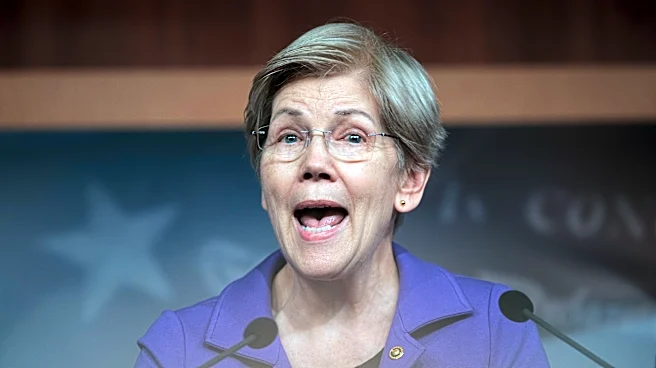
U.S. Senator Elizabeth Warren, a member of the Senate Banking Committee, has proposed a ban on crypto industry earnings for high-ranking officials, including the president, vice president, administration officials, members of Congress, and their families.
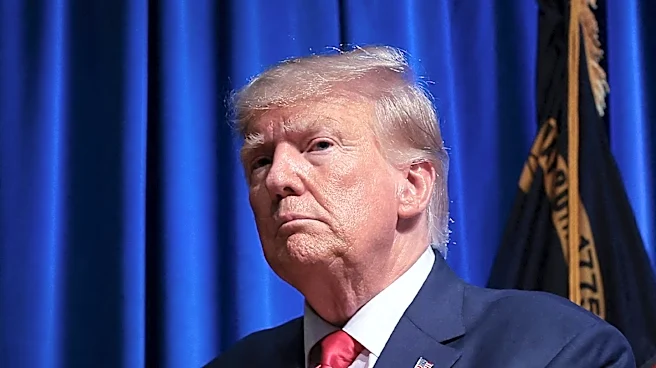
This proposal is part of the CLARITY Act and was prompted by President Trump's recent financial disclosure, which revealed significant earnings from digital assets. The disclosure, released by the Office of Government Ethics, showed that President Trump earned approximately $2.2 billion in 2025, with over $1.4 billion coming from digital assets. A substantial portion of these earnings, nearly $800 million, was linked to the crypto project World Liberty Financial, affiliated with the Trump family. The proposal aims to prevent potential conflicts of interest and corruption in the crypto sphere. The Senate Banking Committee has approved the bill, but discussions continue, and a Senate vote date has not been set.
Why It's Important?
The proposal by Senator Warren highlights concerns about potential conflicts of interest and ethical issues related to high-ranking officials profiting from the rapidly growing cryptocurrency industry. If enacted, the ban could significantly impact the financial dealings of political figures and their families, particularly those with substantial investments in digital assets. This move could also set a precedent for stricter regulations on financial disclosures and earnings from emerging industries, potentially affecting how political figures engage with new economic opportunities. The proposal underscores the ongoing debate about the role of cryptocurrency in politics and the need for transparency and accountability in financial dealings of public officials.
What's Next?
The next steps involve further discussions in the Senate regarding the cryptocurrency market structure bill, with ethical restrictions being a key issue. The outcome of these discussions could influence future regulations on cryptocurrency earnings for political figures. The White House has denied any conflict of interest, stating that President Trump and his family do not manage personal finances directly. However, the proposal may prompt other lawmakers to consider similar measures to address potential ethical concerns. The ongoing debate may also lead to increased scrutiny of financial disclosures and the role of digital assets in political finance.