
What's Happening?
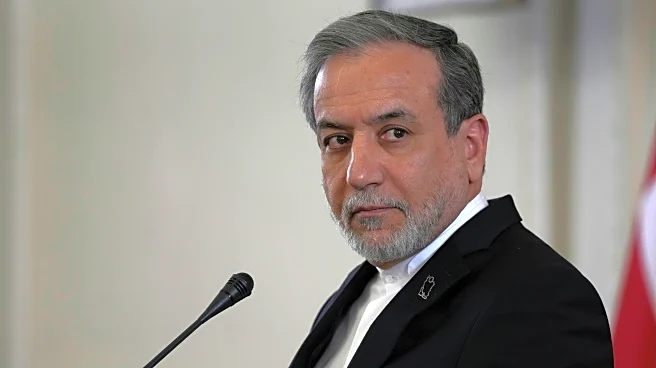
Following a recent conflict with Israel, Iran's leadership is experiencing internal divisions. Supreme Leader Ayatollah Ali Khamenei declared victory over the U.S. and Israel, while former President Hassan
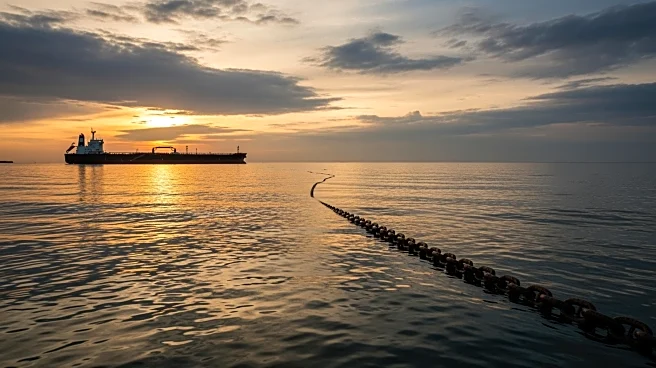
Rouhani criticized the leadership's approach, advocating for diplomacy. The conflict has left Iran's economy in turmoil, with high unemployment and a depreciating currency. The country's infrastructure is also suffering, with frequent power outages and a severe water crisis. Despite these challenges, Iran's leadership continues to project strength, with the Islamic Revolutionary Guards Corps threatening to close the Strait of Hormuz. However, the internal dissent and economic struggles suggest a nation grappling with its future direction.
Why It's Important?
The internal discord within Iran's leadership highlights the challenges the country faces in maintaining stability. The economic downturn and infrastructure issues could lead to increased domestic unrest. The potential closure of the Strait of Hormuz poses a significant threat to global oil supply, which could have widespread economic repercussions. The situation also underscores the geopolitical tensions in the region, with Iran's actions potentially impacting relations with neighboring countries and global powers. The internal power struggle may influence Iran's foreign policy, particularly its approach to nuclear negotiations and regional conflicts.
What's Next?
Iran's leadership is likely to continue facing internal challenges as it navigates its post-war reality. The economic crisis and infrastructure issues will require urgent attention to prevent further instability. The international community will be closely monitoring Iran's actions, particularly regarding its nuclear program and regional influence. Diplomatic efforts may be pursued to address these issues, but internal divisions could complicate negotiations. The potential for renewed conflict with Israel remains, as both sides assess their military capabilities and strategic positions.
Beyond the Headlines
The internal power struggle in Iran reflects broader questions about the country's future direction. The economic and infrastructure challenges highlight the need for reform and modernization, which could lead to shifts in domestic policy. The situation also raises ethical questions about the use of military power and the impact on civilian populations. The international community's response to Iran's actions will be crucial in shaping the region's future stability and security.