









What's Happening?
A significant outbreak of cyclosporiasis, a parasitic disease causing severe diarrhea, is raising concerns about the safety of fresh produce in the United States. The Centers for Disease Control and Prevention (CDC) has reported over 1,600 confirmed cases
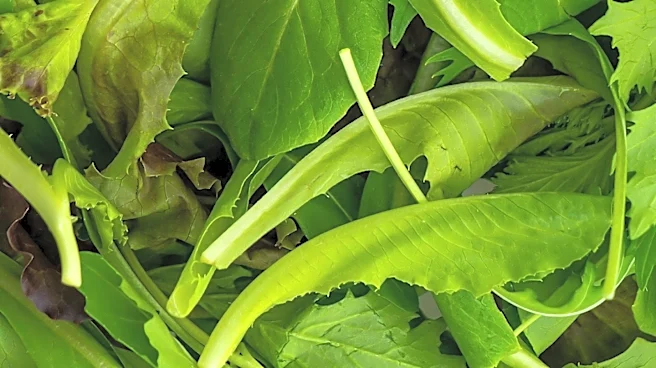
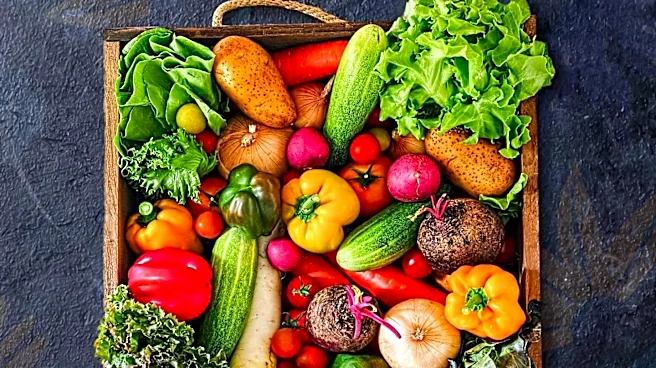
since May 1, with Michigan being the epicenter, reporting more than 3,000 cases. The illness is caused by the Cyclospora cayetanensis parasite, typically contracted through contaminated food or water. While California has reported 41 cases, none are linked to the multistate outbreak. The Michigan health department suspects lettuce or salad greens as potential sources, though no specific grower or supplier has been identified. The outbreak has prompted investigations into various food items, including those served at Taco Bell restaurants in Detroit, which have temporarily removed certain ingredients as a precaution.
Why It's Important?
The outbreak highlights the vulnerability of the U.S. food supply chain to parasitic infections, which can have severe health implications, particularly for vulnerable populations such as young children, the elderly, and immunocompromised individuals. The lack of a definitive source complicates public health responses and consumer safety measures, leading to widespread concern and speculation. The outbreak underscores the need for robust food safety protocols and effective disease surveillance systems to quickly identify and mitigate such public health threats. The economic impact on the produce industry could be significant, as consumer confidence in fresh produce may decline, affecting sales and leading to potential financial losses for growers and retailers.
What's Next?
Public health officials are continuing to investigate the outbreak to identify the specific source of contamination. The CDC and local health departments are expected to provide updates as more information becomes available. In the meantime, consumers are advised to thoroughly wash produce and consider cooking it to reduce the risk of infection. The outbreak is likely to prompt discussions on improving food safety standards and surveillance systems to prevent future occurrences. The situation may also lead to increased scrutiny of imported produce, as past outbreaks have been linked to items from Latin America.