
What's Happening?
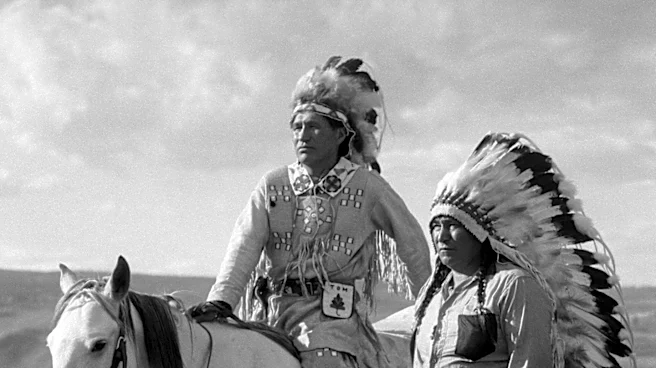
The Battle of the Little Bighorn, fought 150 years ago, remains a pivotal event in American history. Known for the victory of Native American forces, the battle significantly influenced U.S. government policies towards Indigenous peoples. Judy Woodruff
reports on this historical event as part of her series 'Crossroads: America at 250.' The battle's legacy continues to resonate, highlighting the ongoing struggles and resilience of Native American communities in the face of historical and contemporary challenges.
Why It's Important?
The Battle of the Little Bighorn is a symbol of Native American resistance and the complex history of U.S. government relations with Indigenous peoples. It underscores the need for continued dialogue and reconciliation efforts to address historical injustices. The battle's anniversary serves as a reminder of the cultural and political shifts that have shaped the United States. Understanding this history is crucial for fostering a more inclusive and equitable society, recognizing the contributions and rights of Indigenous communities.
Beyond the Headlines
The enduring significance of the Battle of the Little Bighorn extends beyond historical commemoration. It raises important questions about the representation of Indigenous history in education and media. The battle also highlights the broader struggle for Indigenous rights and sovereignty, which remains a critical issue in contemporary policy discussions. Efforts to preserve and honor Indigenous heritage are vital for promoting cultural understanding and healing historical wounds.