




What's Happening?
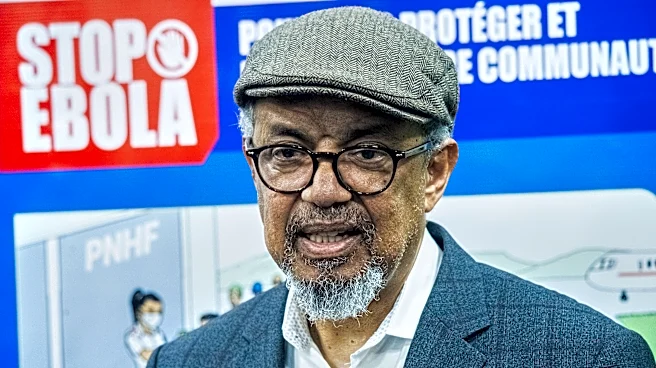
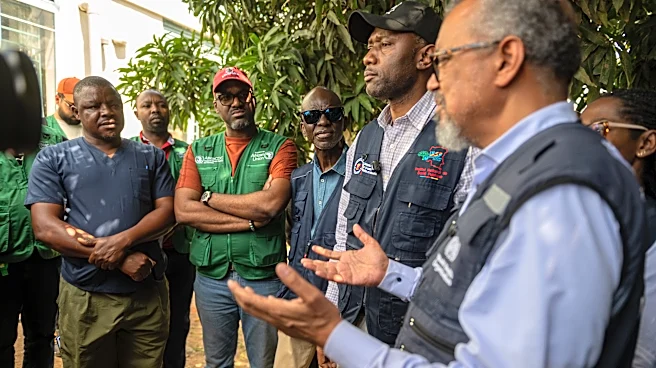
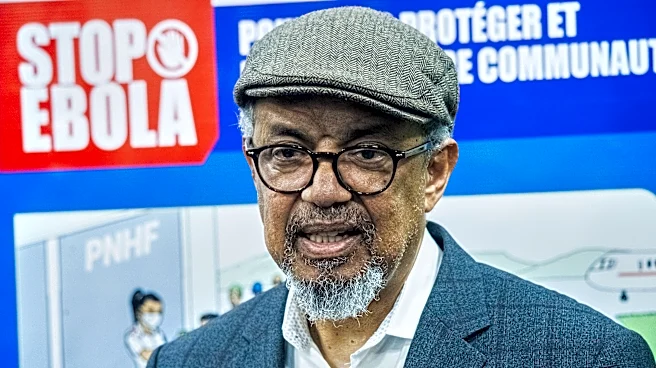
The World Health Organization (WHO) has reported that five patients have recovered from the Bundibugyo strain of Ebola in eastern Congo. WHO Director-General Tedros Adhanom Ghebreyesus announced the recoveries during the inauguration of a new Ebola treatment
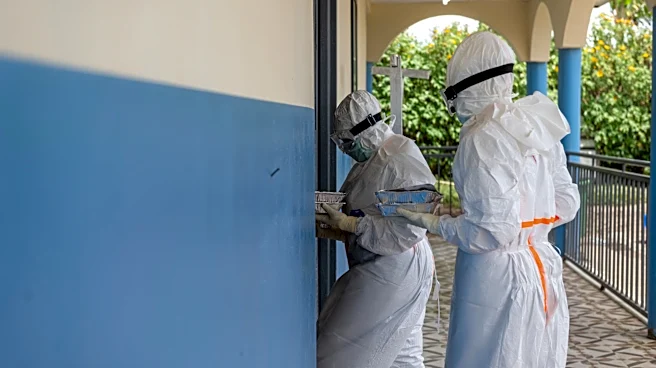
center in Bunia, Ituri province. The outbreak has resulted in 134 confirmed cases and 18 deaths in Congo and Uganda. Despite the recoveries, the virus continues to spread rapidly, with Doctors Without Borders calling for expanded testing and faster deployment of aid workers. The outbreak is exacerbated by local resistance to medical protocols and regional conflicts.
Why It's Important?
The recoveries from the Bundibugyo strain of Ebola are significant as they offer hope for survival despite the absence of approved treatments or vaccines. The ongoing outbreak poses a serious public health threat in the region and highlights the challenges of managing viral outbreaks in conflict zones. The situation underscores the importance of international support and community involvement in containing the virus. The spread of Ebola in Congo and Uganda could have broader implications for global health security, particularly if the virus crosses borders and affects international travel and trade.
What's Next?
Efforts to control the outbreak will focus on expanding testing, deploying more aid workers, and ensuring sustained access to medical supplies. The WHO and other health organizations are likely to continue working on developing vaccines and treatments for the Bundibugyo strain. Community engagement will be crucial in overcoming resistance to medical protocols and ensuring that individuals seek treatment early. The international community may need to provide additional resources and support to help contain the outbreak and prevent further spread.