






What's Happening?
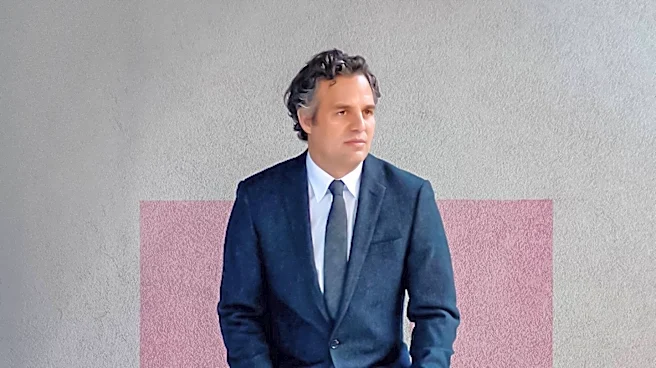
Actor Mark Ruffalo stars as Joseph Califano, the former Secretary of Health, Education, and Welfare (HEW), in the new Apple Original film 'Being Heumann.' The movie chronicles the life of disability rights activist Judy Heumann and the historic 1977 Section
504 sit-in. Califano initially opposed the full implementation of Section 504 of the Rehabilitation Act, which aimed to prohibit discrimination against individuals with disabilities and make federal buildings accessible. The film, directed by Siân Heder, depicts Califano's complex position, caught between budget constraints and the moral imperative of civil rights. Ruffalo's portrayal aims to show Califano not as a villain, but as someone in an 'impossible situation,' facing significant financial implications for the federal government if he signed the regulations. The sit-in, led by Heumann and other activists, lasted 24 days in San Francisco, becoming the longest occupation of a federal building in U.S. history.
Why It's Important?
The film 'Being Heumann' and Ruffalo's role are significant for bringing renewed attention to a pivotal moment in the U.S. disability rights movement. The 1977 Section 504 sit-in was a critical precursor to the Americans with Disabilities Act (ADA) of 1990, fundamentally shaping accessibility and anti-discrimination laws in the United States. By portraying Califano's internal conflict, the film highlights the bureaucratic and political challenges faced in advancing civil rights legislation, even when the moral arguments are clear. This narrative can foster a deeper understanding of the historical struggles for disability rights and the systemic barriers that existed. For current audiences, it underscores the ongoing importance of accessibility and inclusion, reminding viewers of the dedication and sacrifice required to achieve legislative change that impacts millions of Americans.
What's Next?
The release of 'Being Heumann' on Apple TV is expected to spark further conversations about disability rights, accessibility, and representation in media. The film's wide availability could increase public awareness of Judy Heumann's legacy and the historical context of disability activism. Discussions may arise regarding the current state of disability rights in the U.S., prompting comparisons between the challenges of the 1970s and contemporary issues. Advocacy groups may leverage the film's release to reignite calls for improved accessibility standards, inclusive policies, and greater representation of disabled individuals in all sectors of society. The film's impact could also extend to Hollywood, encouraging more productions that authentically portray disability experiences and feature disabled actors.
Beyond the Headlines
Beyond its historical narrative, 'Being Heumann' delves into the ethical dimensions of public policy and individual responsibility within bureaucratic systems. Califano's character embodies the tension between fiscal prudence and social justice, a dilemma that frequently confronts policymakers. The film implicitly questions the cost-benefit analyses applied to human rights, suggesting that fundamental rights should not be subject to budgetary constraints. Furthermore, the film's focus on the 'punk rock' spirit of the activists highlights the power of grassroots movements and civil disobedience in challenging established norms and forcing societal change. It serves as a reminder that significant progress often requires individuals to push boundaries and confront authority, even when facing immense opposition, offering a lesson in civic engagement and the enduring fight for equality.