


What's Happening?
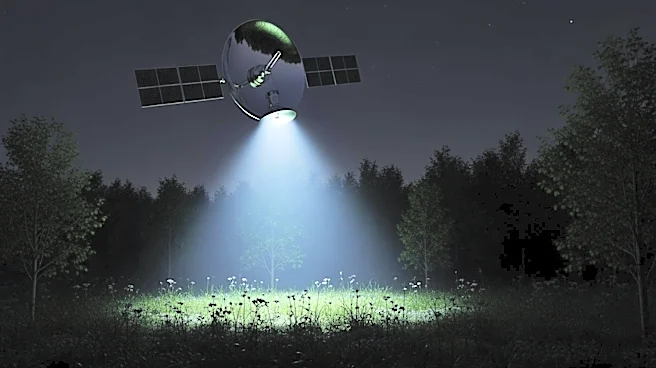
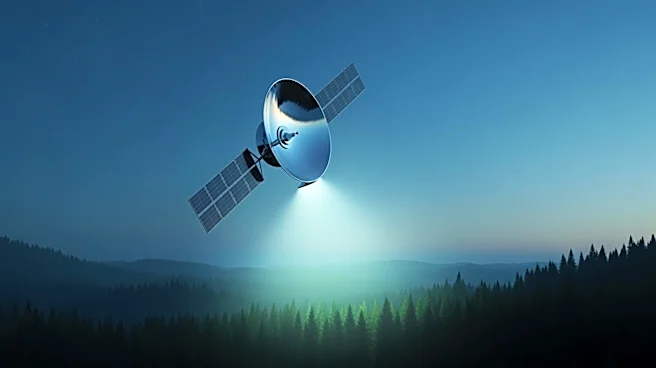
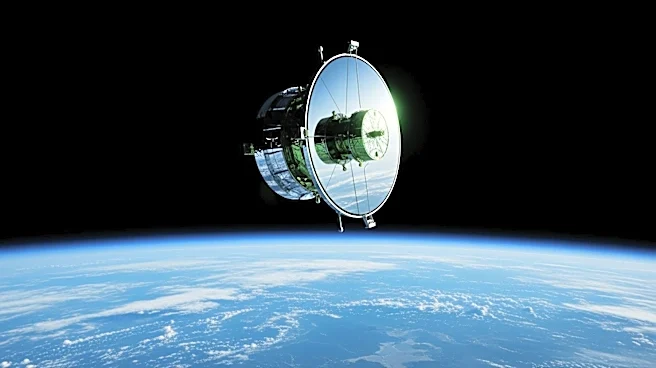
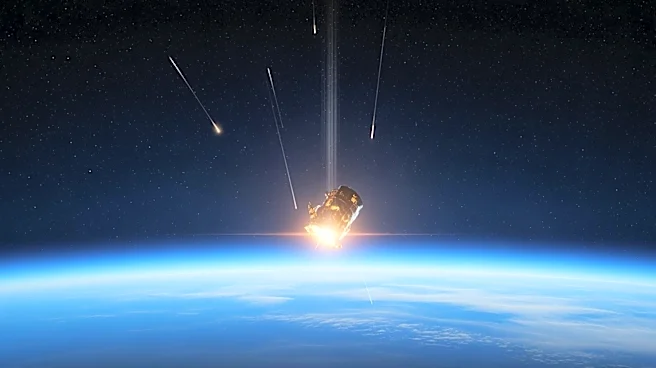
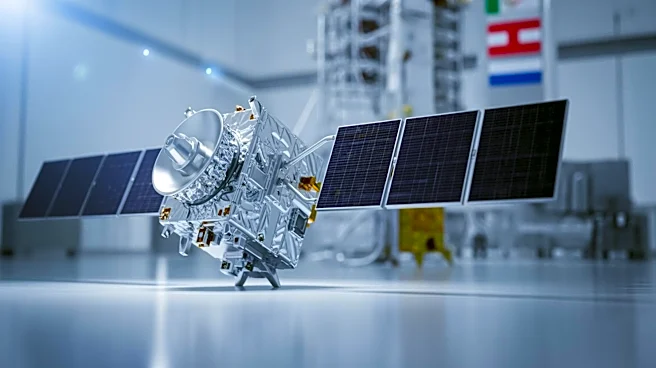
A coalition of scientists has expressed significant concerns over a proposal by California startup Reflect Orbital to deploy 50,000 mirrors in space. The plan aims to redirect sunlight to the Earth's night side, potentially benefiting solar farms and
rescue operations. However, experts warn that such a large-scale deployment could drastically alter the natural night-time light environment, affecting ecosystems and human health. The European Biological Rhythms Society and other scientific bodies have highlighted potential disruptions to circadian rhythms and ecological systems. Additionally, SpaceX's plan to launch one million satellites could further obscure the night sky, impacting species that rely on stars for navigation.
Why It's Important?
The proposed space mirror project and the massive satellite deployment by SpaceX could have far-reaching implications for both the environment and human health. The alteration of natural light patterns could disrupt ecosystems, affecting species that depend on the night sky for navigation. Human health could also be impacted due to changes in circadian rhythms, potentially leading to adverse health outcomes. The project raises questions about the balance between technological advancement and environmental preservation, highlighting the need for careful consideration of ecological impacts in space exploration initiatives.
What's Next?
Reflect Orbital is awaiting approval from the Federal Communications Commission to launch a test satellite, which could pave the way for the full-scale project. The scientific community is likely to continue advocating for thorough environmental impact assessments before any large-scale deployment. Regulatory bodies may face increased pressure to evaluate the ecological and health implications of such projects, potentially leading to stricter guidelines for space-based initiatives.
Beyond the Headlines
The debate over the space mirror project underscores broader ethical and environmental considerations in space exploration. The potential for increased light pollution and its impact on biodiversity highlights the need for sustainable practices in technological advancements. This situation may prompt a reevaluation of international space policies to ensure that ecological and health concerns are adequately addressed in future projects.