
What's Happening?
President Trump has announced a series of escalating tariffs on European countries, including Denmark, Norway, Sweden, France, Germany, Great Britain, the Netherlands, and Finland, in response to the U.S.
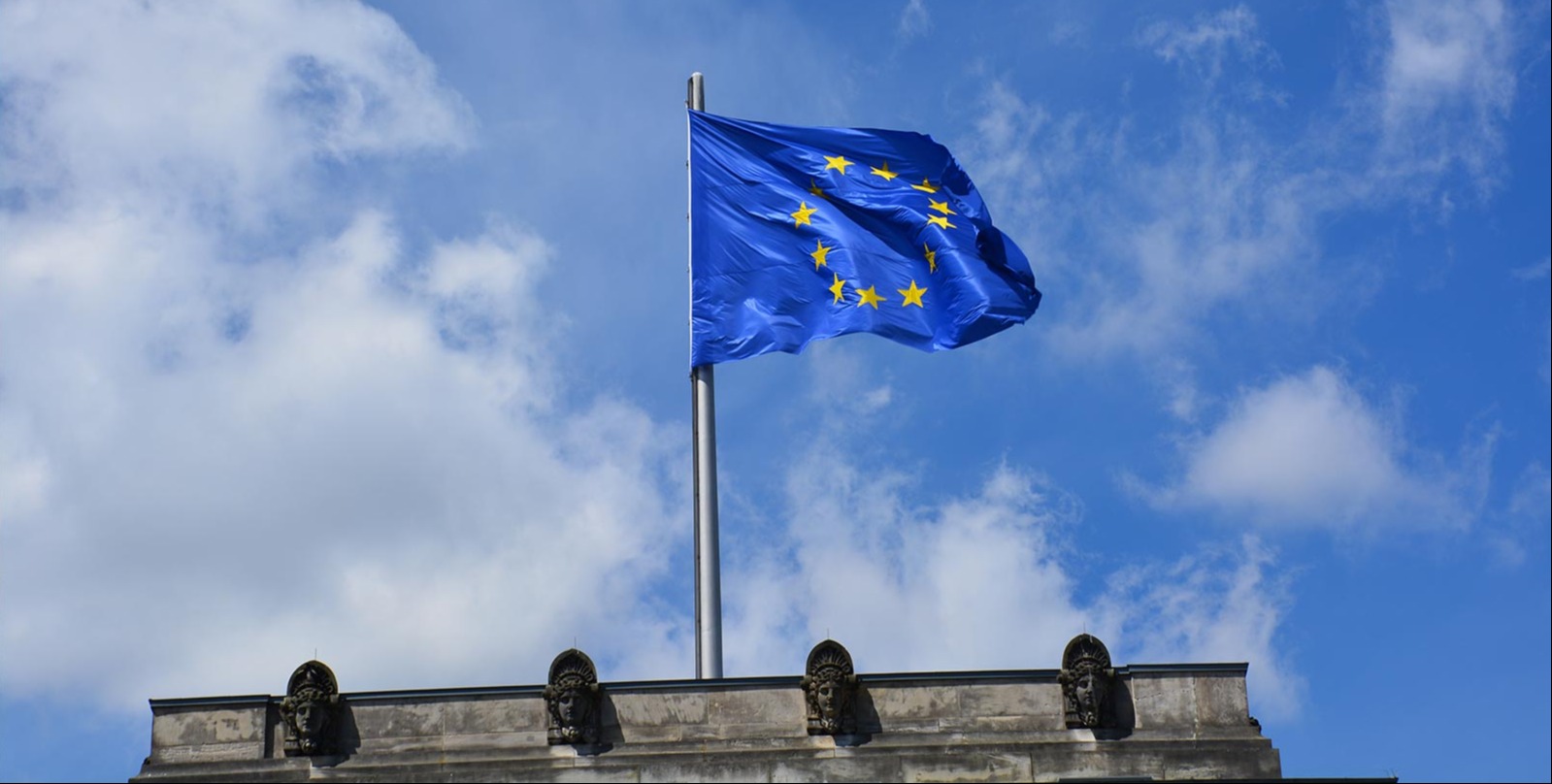
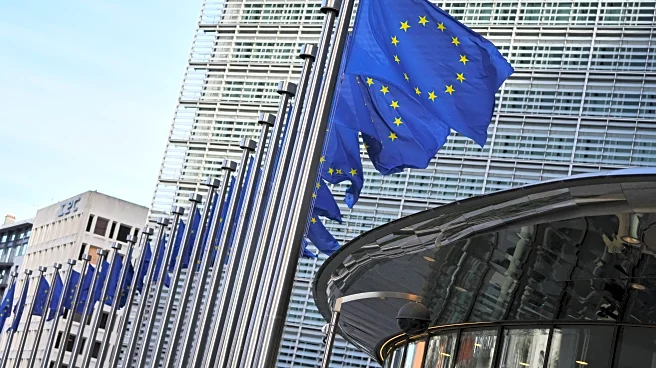
desire to purchase Greenland. The tariffs, starting at 10% on February 1 and potentially increasing to 25% by June 1, are intended to pressure these nations into allowing the U.S. acquisition of Greenland. In response, French President Emmanuel Macron has indicated that the European Union may activate its 'anti-coercion instrument,' a powerful trade measure designed to curb imports of goods and services, to counteract these tariffs. This instrument, described as the EU's trade 'bazooka,' has never been used before. The situation has prompted a joint statement from the affected European nations, expressing solidarity with Denmark and Greenland and warning that the tariffs could damage transatlantic relations.
Why It's Important?
The imposition of tariffs by President Trump could have significant implications for international trade and diplomatic relations between the U.S. and Europe. The tariffs threaten to escalate into a trade war, potentially disrupting economic ties and affecting industries reliant on transatlantic trade. The EU's consideration of its anti-coercion instrument underscores the seriousness of the situation and the potential for retaliatory measures, which could further strain relations. The move also highlights the geopolitical significance of Greenland, a mineral-rich territory strategically located at the gateway to the Arctic. The situation could lead to broader discussions on sovereignty, security, and economic interests in the Arctic region, impacting global trade dynamics and international alliances.
What's Next?
The European Union is set to hold an emergency meeting to discuss its response to the U.S. tariff threats. This meeting, convened by Cyprus, which currently holds the EU presidency, will explore potential countermeasures and strategies to address the situation. The EU's decision on whether to activate the anti-coercion instrument will be closely watched, as it could set a precedent for future trade disputes. Additionally, the ongoing diplomatic dialogue between the U.S. and European nations will be crucial in determining the outcome of this standoff. The situation may also prompt discussions within NATO, given the security implications of the Arctic region and the involvement of member countries.