








What's Happening?
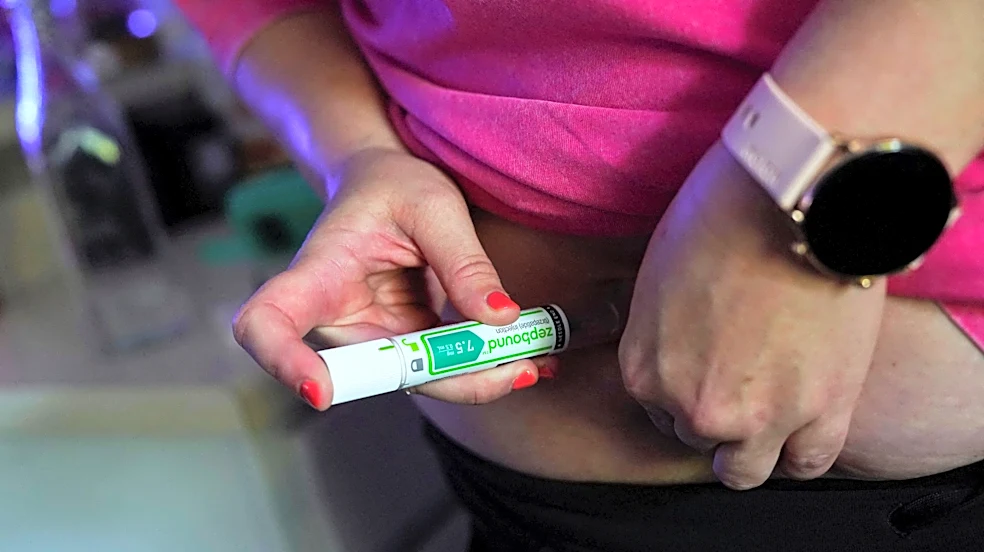
A CBS News investigation uncovered alarming findings regarding the ease of purchasing unapproved experimental weight loss drugs online and the dangerous contents of some of these products. CBS News national correspondent Adam Yamaguchi easily ordered
'retatrutide,' an experimental peptide drug still in clinical trials by Eli Lilly, from online clinics without proper health evaluations. One sample purchased from a Brooklyn bodega, labeled as 'Reta,' was found by University of Iowa research scientist Jason Galpin to contain no peptide at all, but rather phenylacetic acid, a common filler. Further testing by Carl Ross, director of development at the University of Iowa's Center for Biocatalysis and Bioprocessing, revealed 13 colonies of bacteria in the bodega sample, posing a significant infection risk if injected. Dr. Reshma Ramachandran, a Yale physician, described the accessibility of these drugs as "astounding" and the lab results as "pretty terrifying."
Why It's Important?
This investigation highlights a critical public health crisis stemming from the unregulated sale of experimental and potentially harmful weight loss drugs. The ease with which these substances can be acquired online and even in retail settings, without medical oversight, puts consumers at severe risk. The presence of unknown fillers and dangerous bacteria in these products can lead to serious infections, adverse health reactions, and a false sense of security for individuals seeking weight loss solutions. This situation undermines the rigorous FDA approval process designed to ensure drug safety and efficacy, creating a black market that preys on vulnerable individuals. The lack of regulation also makes it difficult for consumers to distinguish between legitimate treatments and dangerous counterfeits, posing a significant challenge for public health authorities.
What's Next?
The findings of this CBS News investigation are likely to prompt increased scrutiny from regulatory bodies like the FDA and Department of Justice regarding the online sale of unapproved drugs. There may be calls for stricter enforcement against websites and businesses illegally distributing experimental medications. Consumers are urged to exercise extreme caution and consult healthcare professionals before considering any weight loss treatments, especially those advertised online without proper medical consultation. Eli Lilly, the legitimate developer of retatrutide, has issued a statement emphasizing the dangers of black-market products and the importance of regulated manufacturing. This report could also lead to greater public awareness campaigns about the risks associated with unapproved drugs and the importance of verified sources for medical treatments.
Beyond the Headlines
This issue extends beyond individual health risks to touch upon broader ethical and legal dimensions. The proliferation of unapproved drugs online raises questions about the responsibility of e-commerce platforms and social media in preventing the advertisement and sale of such dangerous products. It also highlights the challenges of regulating a globalized digital marketplace where illicit goods can easily bypass national laws. The desperation for weight loss, often fueled by societal pressures, creates a fertile ground for unscrupulous sellers. This situation underscores the need for a multi-faceted approach involving stricter regulations, enhanced law enforcement, public education, and ethical considerations for online platforms to protect consumers from potentially life-threatening substances. The incident also points to the need for accessible and affordable legitimate healthcare options for weight management.