







What's Happening?
Oxfam International is calling for urgent and sustained assistance for thousands of Cambodian families displaced by a border conflict with Thailand. Amitabh Behar, Executive Director of Oxfam International, made this appeal following a visit to communities
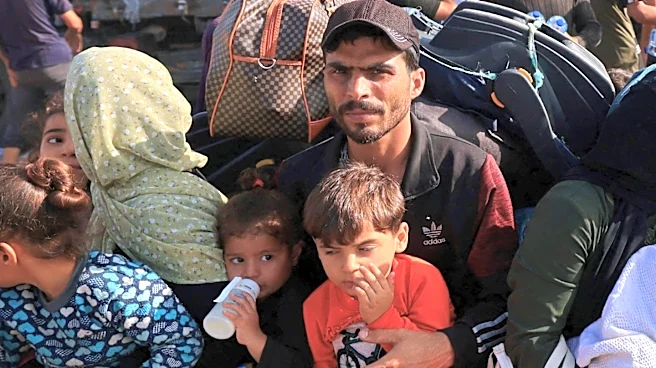
in northern Oddar Meanchey province. Despite a ceasefire, approximately 20,923 people, including 10,674 women and 6,066 children, remain in temporary settlements known as 'waiting villages.' These families are unable to return home due to various reasons, including their original villages being in conflict-affected areas, territories occupied by Thai security forces, or areas contaminated by unexploded ordnance. Oxfam emphasizes that emergency humanitarian relief alone is insufficient to resolve the ongoing crisis, highlighting the need for investments in safe land access, job creation, and infrastructure. The organization also noted that access to clean drinking water in these camps is dangerously limited, posing significant health risks.
Why It's Important?
The situation underscores the long-term humanitarian challenges that persist even after the cessation of active conflict. The inability of nearly 21,000 individuals to return home, a year after a ceasefire, highlights the complex and enduring impact of border disputes on civilian populations. The call for sustained aid, beyond immediate emergency relief, points to a broader recognition that recovery involves rebuilding livelihoods, ensuring safe living conditions, and addressing structural issues like unexploded ordnance. This situation could set a precedent for how international organizations and donor countries approach post-conflict recovery, emphasizing comprehensive, long-term strategies over short-term interventions. The vulnerability of women and children, who constitute over half of the displaced population, also brings to light critical gender and age-specific needs in humanitarian responses. The lack of clean water and economic opportunities further exacerbates the crisis, potentially leading to prolonged poverty and health issues.
What's Next?
Oxfam International is urging global donors and regional leaders to provide long-term support. This includes continued investment in practical solutions that address immediate humanitarian needs while also supporting peace, long-term recovery, resilience, and dignified livelihoods. The organization specifically calls for investments in safe land access, job creation, and infrastructure to enable families to return home safely and rebuild their lives. Oxfam will continue to work with local partners, civil society organizations, and international stakeholders to assess needs and advocate for comprehensive support. The focus will be on ensuring reliable access to clean water, restoring livelihoods, and addressing the challenges faced by returning migrant workers and communities struggling with debt and depleted savings. Further engagement with governments and development partners is anticipated to secure the necessary funding and policy changes for sustainable recovery.
Beyond the Headlines
The plight of the displaced Cambodian families reveals deeper implications regarding the responsibilities of nations and the international community in post-conflict scenarios. The presence of unexploded ordnance and disputed border zones highlights the lasting physical and political scars of conflict, which continue to impede human rights and development. The call for 'climate justice' and 'inclusive economic development' by Oxfam's Executive Director, Amitabh Behar, during his visit, suggests a recognition that environmental factors and economic disparities are intertwined with humanitarian crises. This broader perspective indicates a shift towards addressing root causes and systemic issues, rather than just symptoms. The struggle of these families to regain their livelihoods and secure a future underscores the ethical imperative for sustained international engagement and the need for robust mechanisms to ensure the safe and dignified return of displaced populations, preventing protracted humanitarian crises.