






What's Happening?
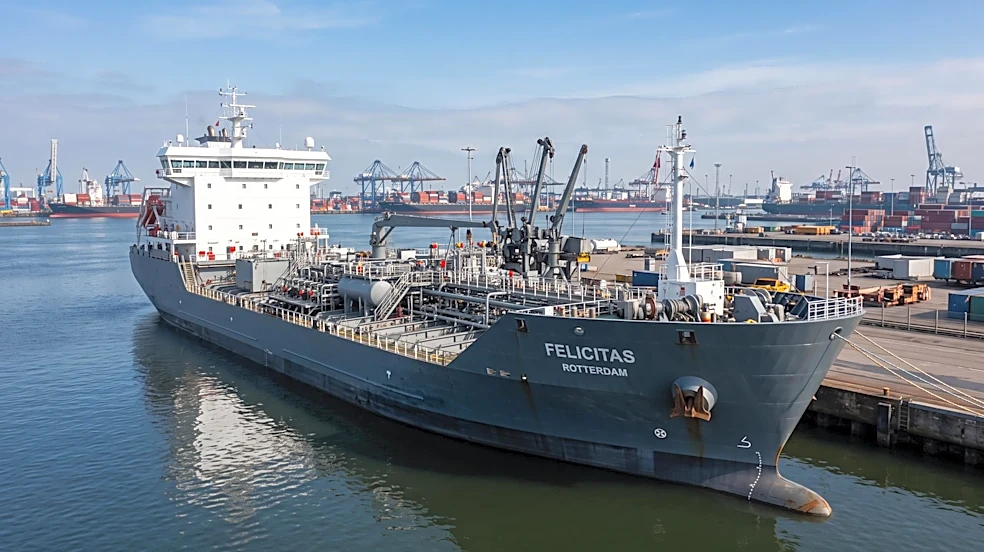
The Global Investigative Journalism Network (GIJN) is organizing the Global Investigative Journalism Conference 2027 (GIJC27), scheduled to take place in Rotterdam, the Netherlands, from October 19 to 23, 2027. This five-day international event, co-organized
with the Dutch-Flemish Association of Investigative Journalists (VVOJ), aims to gather journalists, media experts, and trainers from over 100 countries. The conference agenda includes more than 150 sessions, workshops, and training activities covering critical areas such as investigative reporting, data journalism, artificial intelligence, climate reporting, and online research tools. A key component of GIJC27 is a fully funded fellowship program designed to support journalists, particularly those from developing and transitioning countries, the Global South, and historically underrepresented groups. The fellowship covers significant expenses, including round-trip airfare, four nights of hotel accommodation, airport transfers, conference registration, and specified meals. The application deadline for this fellowship is January 31, 2027.
Why It's Important?
This conference and its associated fellowship are important for strengthening the landscape of investigative journalism globally, including its impact on U.S. media practices and the broader information ecosystem. By fostering international collaboration and skill development in areas like data journalism and AI, GIJC27 can indirectly influence the quality and depth of investigative reporting within the U.S. Journalists attending from the U.S. or those who benefit from the shared knowledge will be better equipped to tackle complex domestic issues, from corporate malfeasance to environmental concerns, using advanced techniques. The emphasis on AI and data journalism is particularly relevant as these technologies are rapidly transforming how news is gathered and analyzed, offering new tools for uncovering critical information. Furthermore, the global exchange of ideas and techniques can introduce U.S. journalists to diverse perspectives and methodologies, enriching their approach to reporting on issues with international dimensions that affect U.S. interests. The fellowship's focus on underrepresented groups also promotes diversity in journalism, which can lead to more comprehensive and nuanced reporting on a wider range of societal issues.
What's Next?
Journalists interested in attending GIJC27, especially those seeking financial assistance, must submit their fellowship applications by January 31, 2027. Following the application period, GIJN and VVOJ will review submissions and select fellows who will receive comprehensive financial support to attend the conference. Selected fellows will be expected to contribute to the journalistic community after the conference by writing a story related to GIJC27 or delivering a presentation about their learnings. Leading up to the conference in October 2027, organizers will finalize the detailed program, including specific speakers, workshop leaders, and session topics. The event itself will serve as a platform for journalists to engage in intensive training, network with peers, and explore new tools and techniques. The outcomes of the conference are expected to include enhanced skills among participants, new collaborative projects, and a broader adoption of innovative investigative methodologies across the global journalistic community.
Beyond the Headlines
The GIJC27 conference highlights a deeper trend in journalism: the increasing reliance on technology and international collaboration to address complex global challenges. The inclusion of topics like artificial intelligence and climate reporting underscores the evolving demands on investigative journalists, who must now navigate vast datasets and specialized scientific information. This shift has ethical implications, as journalists must ensure the responsible use of AI and data tools, maintaining accuracy and avoiding bias. The conference also implicitly addresses the financial pressures on investigative journalism by offering fully funded fellowships, recognizing that high-quality, in-depth reporting often requires significant resources. By bringing together journalists from diverse backgrounds, GIJC27 fosters a global community of practice, which is crucial for tackling transnational issues such as corruption, human rights abuses, and environmental degradation that often transcend national borders and require coordinated investigative efforts. This collaborative model can lead to more impactful reporting that holds powerful institutions accountable on a global scale.