







What's Happening?
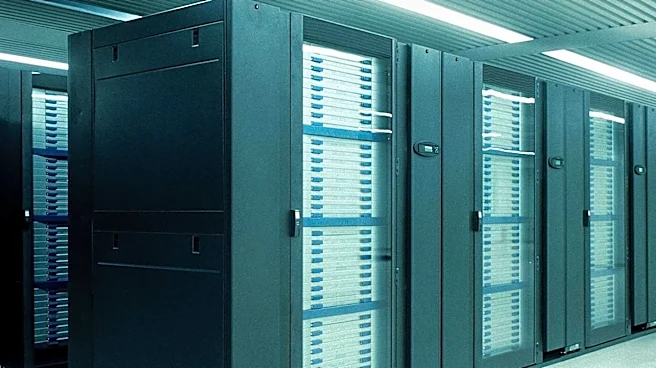
Arkansas is facing a significant debate over the rapid expansion of large-scale data centers across the state. While smaller data centers have long existed, a new generation of much larger facilities is emerging, driven by the explosive growth of artificial
intelligence, cloud computing, and increasing digital dependency. Major projects are proposed or under development in several Arkansas locations, including Little Rock, West Memphis, Clarksville, and Conway. Supporters view these projects as opportunities for new investment, jobs, and tax revenue, arguing that data centers are essential infrastructure for a technology-driven economy. However, critics raise concerns about the massive electricity and water consumption of these facilities, their potential impact on utility customers and the environment, and whether the economic benefits justify public incentives. There are also questions about the transparency of decision-making processes for these large-scale developments.
Why It's Important?
This debate in Arkansas mirrors a national dilemma concerning the trade-offs associated with the burgeoning digital economy. The proliferation of data centers, while crucial for supporting modern technology and AI, brings substantial environmental and infrastructural challenges. For U.S. communities, the decision to host these facilities involves weighing economic benefits like job creation and tax revenue against potential strains on local resources, particularly water and electricity. The discussion highlights the need for transparent public policy and community engagement in planning for such large-scale developments. It also underscores the broader national conversation about sustainable energy consumption and the environmental footprint of the technology sector, impacting utility providers, environmental groups, and local governments across the country.
What's Next?
The University of Arkansas's Honors College is hosting a Pulse Panel to explore the multifaceted aspects of data center development, bringing together faculty and industry professionals. This panel will discuss the past, present, and future of data centers, covering infrastructure, economic, environmental, and political questions. The ongoing public discourse and academic discussions are likely to influence future policy decisions regarding data center siting, incentives, and environmental regulations in Arkansas and potentially other states facing similar challenges. Communities and policymakers will need to find a balance between fostering technological growth and ensuring sustainable resource management and community well-being. The outcome of these debates could set precedents for how the U.S. manages the infrastructure demands of its increasingly digital future.
Beyond the Headlines
The data center debate in Arkansas reveals a deeper societal tension between our increasing reliance on technology and the tangible costs associated with its infrastructure. It forces a re-evaluation of what constitutes 'progress' and who bears the burden of technological advancement. The environmental concerns, particularly regarding water and electricity usage, highlight the often-invisible ecological footprint of our digital lives. Ethically, the questions surrounding public incentives and community knowledge about major projects touch upon issues of corporate responsibility and democratic participation in development decisions. This situation could trigger long-term shifts in how states and municipalities approach industrial development, pushing for more comprehensive environmental impact assessments and greater transparency in negotiations with technology companies, ultimately shaping the ethical framework for digital infrastructure growth.