


What's Happening?
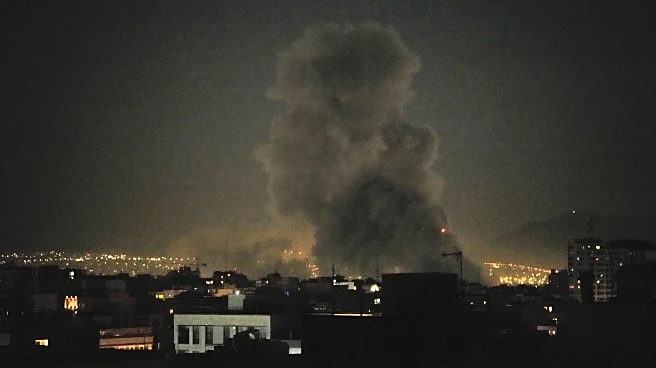
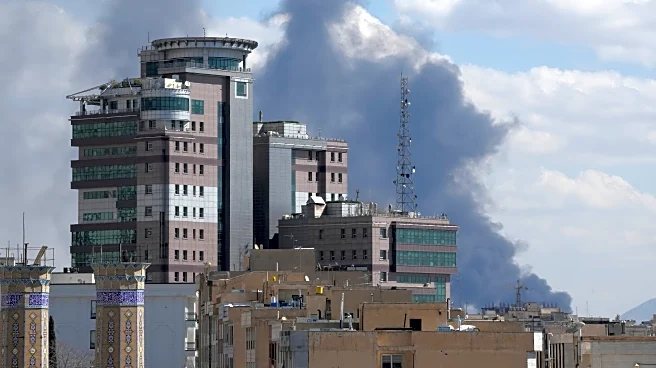
President Donald Trump announced on March 1, 2026, that the United States would seek retribution for the deaths of U.S. service members. This statement indicates a potential military or diplomatic response to the attack that resulted in these casualties.
The announcement underscores a shift in President Trump's foreign policy approach, as he had previously campaigned on reducing U.S. military interventions abroad. The deaths of the service members have prompted a strong reaction from the administration, signaling a possible escalation in military engagement or other forms of retaliation.
Why It's Important?
The potential U.S. response to the attack on its service members could have significant implications for international relations and U.S. foreign policy. An escalation could lead to increased military involvement in the region, affecting global stability and U.S. diplomatic relations. The decision to retaliate may also impact domestic politics, as it contrasts with President Trump's earlier stance on minimizing foreign interventions. This development could influence public opinion and political discourse in the U.S., particularly regarding military strategy and foreign policy priorities.
What's Next?
The U.S. government is likely to deliberate on the appropriate response to the attack, considering military, diplomatic, and economic options. Key stakeholders, including military leaders and foreign policy advisors, will play a crucial role in shaping the response strategy. The international community will closely monitor the situation, as any U.S. action could have broader geopolitical consequences. Allies and adversaries alike may adjust their strategies based on the U.S. response, potentially leading to shifts in alliances and regional power dynamics.