








What's Happening?
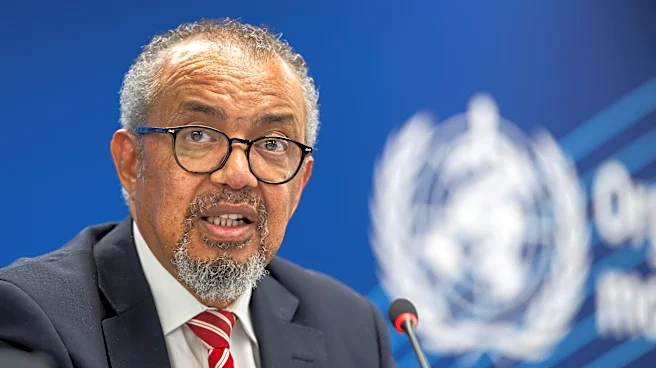
The World Health Organization (WHO) has issued a stark warning regarding the alarming rates of physical inactivity among adolescents globally. According to new global estimates, one in four adolescents worldwide, aged 11 to 17, engages in less than an hour
of physical activity per week. The study, published in The Lancet Global Health, analyzed data from over 3.2 million teenagers across 140 countries and territories. It revealed that approximately 240 million young people report no active days—defined as at least 60 minutes of moderate to vigorous physical activity—in a given week. On average, adolescents reported being active for only 2.7 days per week, with only 14% achieving daily physical activity. The WHO highlighted a persistent gender gap, with girls being less active than boys in nearly all regions; 28% of girls reported no active days compared to 22% of boys. This lack of progress over the past 15 years is raising significant concerns about long-term health implications.
Why It's Important?
This widespread physical inactivity among adolescents poses a severe public health threat, as it is a major risk factor for chronic diseases such as heart disease, type 2 diabetes, and certain cancers. The WHO emphasizes that establishing active habits early in life is crucial for protecting health and reducing the global burden of these diseases. The lack of progress over the past decade and a half indicates a systemic failure to address this issue, suggesting that current strategies are insufficient. The disparities between genders and countries also highlight the need for targeted interventions. If these trends continue, future generations could face increased healthcare costs and a diminished quality of life due to preventable illnesses, impacting national productivity and public health systems. The report underscores that the solution lies not in individual effort alone, but in creating environments that facilitate physical activity.
What's Next?
The WHO is urging countries to implement policies that integrate physical activity into daily life, making it safe, easy, and accessible. This includes focusing on environmental factors such as modes of transportation, access to safe spaces for recreation, and the ability to walk or cycle safely. The school environment, social norms, and the increasing prevalence of screen-centered lifestyles are also identified as critical areas for intervention. Policymakers are encouraged to develop comprehensive strategies that address these multifaceted influences. Future actions may involve urban planning initiatives to create more walkable cities, promoting physical education in schools, and public health campaigns aimed at shifting social norms around activity levels. Without significant policy changes and societal shifts, the trend of adolescent inactivity is likely to persist, exacerbating future health crises.
Beyond the Headlines
The issue of adolescent inactivity extends beyond individual health outcomes, touching upon broader societal and economic implications. The increasing reliance on digital devices and sedentary entertainment options contributes to a cultural shift away from active lifestyles, potentially impacting social development and mental well-being. The WHO's call for environmental changes suggests a need for a paradigm shift in urban planning and community design, moving towards models that prioritize human movement and interaction over convenience and passive consumption. This also raises questions about equity, as access to safe and engaging physical activity opportunities often varies significantly based on socioeconomic status and geographic location. Addressing this crisis requires a holistic approach that considers not only health education but also urban policy, technological influence, and social equity to foster a culture where physical activity is an inherent part of daily life for all young people.