





What's Happening?
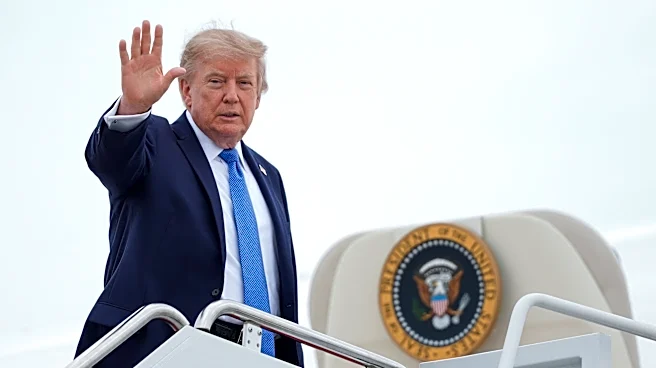
One year ago, Texas passed a new congressional redistricting map, marking President Trump's initial success in a broader effort to boost Republican representation in the midterm elections by creating more right-leaning districts. This partisan redistricting has
since resulted in Republicans gaining at least 10 additional right-leaning congressional seats, significantly aiding their fight to maintain a razor-thin House majority. Democrats and left-leaning pundits, including former MSNBC anchor Joy Reid and HBO host John Oliver, criticized these efforts, labeling them as threats to democracy and a power grab. Despite these criticisms, the redistricting push spread nationwide, with Republican-controlled states like Florida, Missouri, Ohio, and North Carolina drawing new maps. While some Republican efforts faced setbacks, such as a Utah judge rejecting a GOP-drawn map and Indiana's state Senate defying President Trump by shooting down a redistricting bill, major court rulings, including a Supreme Court decision, greenlighted redistricting in several Southern states, solidifying Republican advantages.
Why It's Important?
This wave of partisan redistricting is profoundly important as it directly impacts the composition of the U.S. House of Representatives and the balance of power in Congress. By strategically redrawing district lines, Republicans have secured a significant advantage, potentially ensuring their control of the House for the upcoming midterm elections. This practice, often termed gerrymandering, can diminish the influence of individual voters and create districts where election outcomes are largely predetermined, reducing electoral competition. The criticism from Democrats and pundits highlights concerns about the fairness of the democratic process and the potential for such actions to undermine the principle of representative government. The legal battles and court rulings surrounding these maps underscore the contentious nature of redistricting and its critical role in shaping political landscapes, affecting who can win elections and what legislative priorities are pursued. The outcome of these redistricting efforts will have lasting implications for policy-making and the political direction of the country.
What's Next?
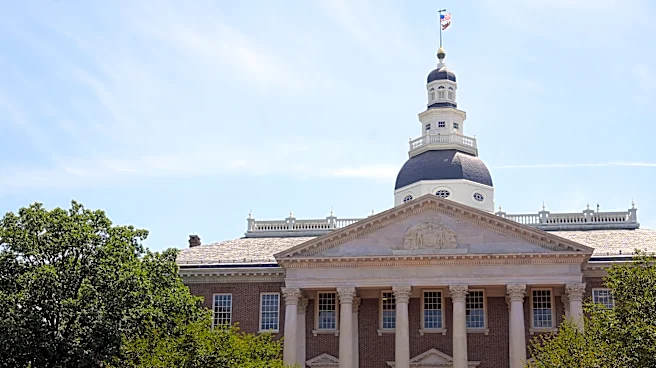
The immediate focus will be on the upcoming midterm elections, where the impact of these newly drawn districts will be tested. Democrats, despite setbacks, are expected to continue their fight against what they perceive as unfair maps, with states like New York and Maryland considering their own redistricting initiatives for future elections. The ongoing debate and legal challenges surrounding redistricting are likely to persist, with both parties seeking to maximize their electoral advantages. The National Democratic Redistricting Committee has urged state leaders to draw 'responsive maps' to ensure national congressional representation reflects the will of the American people. This suggests a continued push for reform and potentially more legal battles in the lead-up to the 2028 elections. The 'gerrymandering crisis' is not over, and President Trump is anticipated to continue advocating for new congressional maps that favor Republicans, ensuring that redistricting remains a central and contentious issue in U.S. politics.
Beyond the Headlines
The extensive use of partisan redistricting, as initiated by President Trump and implemented by various states, raises fundamental questions about the health of American democracy. Beyond the immediate electoral gains, this practice can lead to a more polarized political environment, where elected officials are more beholden to their party's base than to the broader electorate. This can stifle bipartisan cooperation and make it more difficult to address pressing national issues. The ethical implications revolve around whether the manipulation of electoral maps aligns with the spirit of fair representation and democratic principles. Legally, the Supreme Court's rulings on redistricting, particularly those impacting the Voting Rights Act, will continue to shape the legal framework for future map-drawing, potentially weakening protections against discriminatory districting. Culturally, the perception that elections are 'rigged' through gerrymandering can erode public trust in the electoral system, leading to disengagement and cynicism among voters. The long-term consequence could be a political system less responsive to the diverse needs and opinions of the American populace, further entrenching partisan divisions.