








What's Happening?
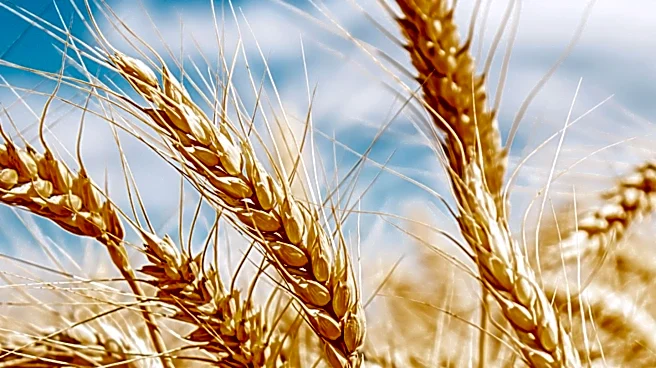
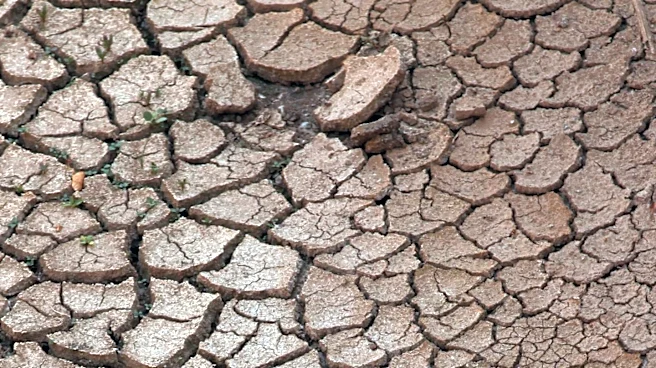
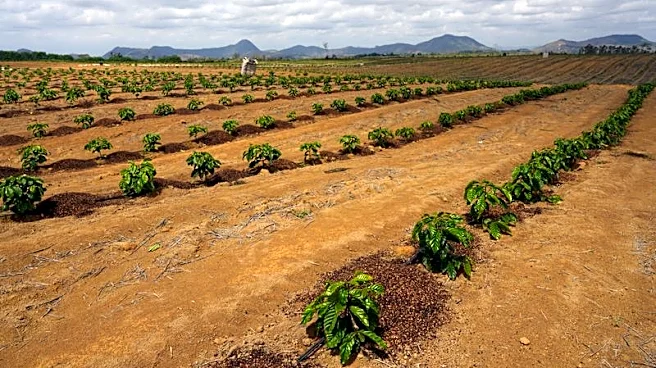
Farmers in North Carolina are grappling with the effects of prolonged drought and extreme heat, which have led to slower business and smaller crop sizes. Many farmers rely on wells and irrigation systems, but the persistent dry conditions are forcing
them to consider scaling back on future crops. The drought has also impacted flower sales and other agricultural products, with growers expressing concerns about the viability of fall crops like pumpkins and corn.
Why It's Important?
The agricultural sector is a critical component of North Carolina's economy, and the ongoing drought poses a significant threat to farmers' livelihoods. Reduced crop yields and sales can lead to financial strain for farmers and affect the supply chain for local produce. The situation highlights the broader challenges of climate change and the need for sustainable water management practices to support agricultural resilience.
What's Next?
Farmers are hopeful for more rain to alleviate the drought conditions and support the growth of fall crops. However, if the dry spell continues, they may need to make difficult decisions about which crops to prioritize or abandon. This could lead to changes in planting strategies and increased reliance on water conservation techniques. The agricultural community may also seek support from government programs to mitigate the economic impact of the drought.