
What's Happening?
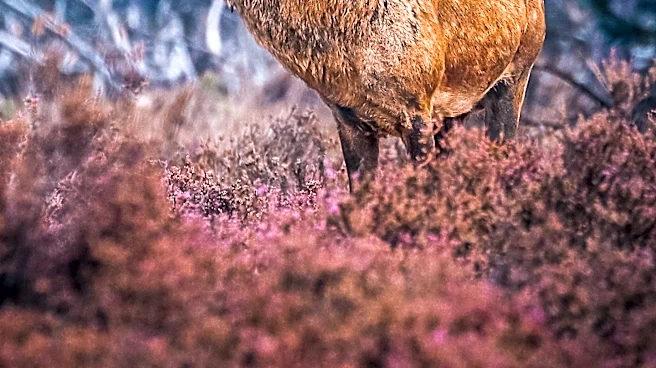
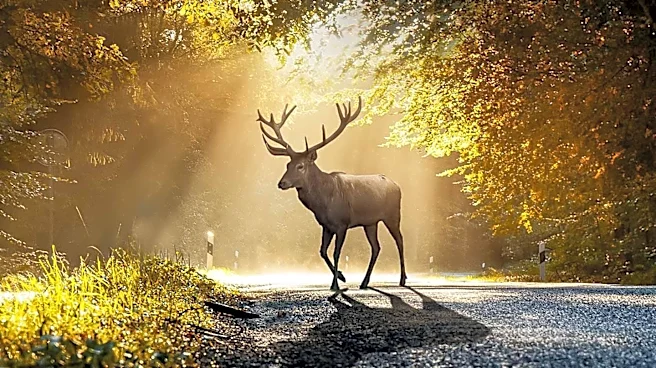
Maryland is currently experiencing its peak deer mating season, leading to a significant increase in deer crossing roads. This heightened activity puts drivers at a greater risk of costly collisions with deer. Both AAA and state highway officials are
issuing warnings and providing advice to motorists on how to avoid these accidents. Deer are more active and unpredictable during this period, often crossing roads at various times of the day and night in search of mates. This seasonal behavior is a recurring concern for road safety in the state.
Why It's Important?
The increase in deer-vehicle collisions during mating season has substantial implications for public safety and economic well-being in Maryland. These accidents can result in serious injuries or fatalities for drivers and passengers, as well as significant damage to vehicles, leading to high repair costs and insurance claims. Beyond the immediate human impact, these collisions also contribute to wildlife mortality and can disrupt local ecosystems. For the state, a rise in accidents can strain emergency services and impact traffic flow. The warnings from AAA and state highway officials are critical for raising public awareness and encouraging preventative measures, aiming to reduce the frequency and severity of these incidents. This situation highlights the ongoing challenge of managing wildlife populations in areas with increasing human development and road infrastructure.
What's Next?
As deer mating season continues, drivers in Maryland should expect ongoing warnings and advisories from state authorities and organizations like AAA. These campaigns will likely emphasize defensive driving techniques, such as reducing speed in deer-prone areas, being extra vigilant during dawn and dusk, and scanning the sides of roads for movement. State highway departments may also consider implementing additional signage or other measures in high-risk zones to alert drivers. In the longer term, wildlife management strategies, including population control and habitat management, may be reviewed to mitigate the risks associated with deer-vehicle interactions. Public education will remain a key component in fostering a safer driving environment during this period of increased deer activity.
Beyond the Headlines
The seasonal increase in deer-vehicle collisions in Maryland reflects a broader ecological and societal challenge: the coexistence of human infrastructure and wildlife. As suburban and exurban areas expand, natural habitats are fragmented, pushing wildlife into closer contact with human activity. This issue is not merely about avoiding accidents but also about understanding the ecological dynamics of deer populations and their interaction with human-modified landscapes. The economic costs, including vehicle repairs, medical expenses, and insurance premiums, represent a tangible burden on individuals and the state. Furthermore, the ethical considerations of wildlife mortality and the impact on biodiversity are also part of this complex picture. Addressing this challenge effectively requires a multi-faceted approach that combines public awareness, infrastructure improvements, and sustainable wildlife management practices to achieve a balance between human safety and ecological health.