







What's Happening?
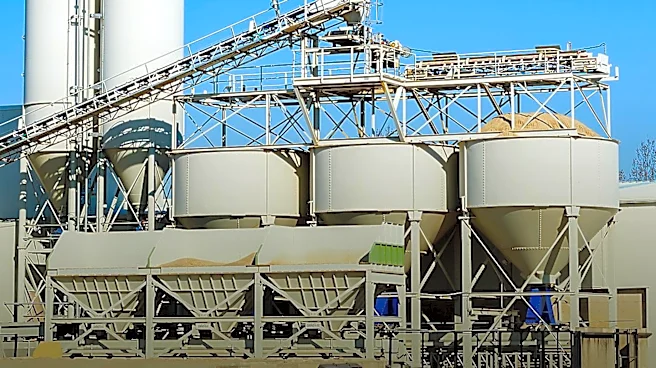
Maine's construction aggregate industry is experiencing a significant boom, with the number of permits for new quarries more than tripling in the past five years compared to the previous decade, according to the Maine Department of Environmental Protection
(DEP). This surge is partly attributed to increased demand for materials like riprap to build seawalls and other shoreline protections against climate change-fueled storms, as well as ongoing construction and road maintenance needs. The value of crushed rock, gravel, and sand produced at Maine quarries doubled last year, exceeding $220 million. This growth has led to conflicts in towns like Gorham, where residents are concerned about the impact of quarry expansions, including frequent blasting and potential damage to homes. Municipalities are now considering or adopting more stringent mineral extraction regulations, with some, like Winthrop, implementing restrictions on blast frequency, quarry size, and monitoring requirements.
Why It's Important?
The rapid expansion of Maine's quarry industry highlights a critical tension between infrastructure development, climate change adaptation, and local community concerns. The increased demand for construction materials, particularly for shoreline stabilization projects, underscores the tangible impacts of climate change on coastal communities and the need for resilient infrastructure. However, this growth also brings environmental and quality-of-life challenges for residents living near quarry operations, such as noise, dust, and potential property damage from blasting. The varying responses from local governments, from considering moratoriums to implementing stricter ordinances, reflect a broader struggle to balance economic development and environmental protection. This situation could set precedents for how other U.S. states with vulnerable coastlines manage resource extraction in the face of climate change and growing infrastructure demands.
What's Next?
The debate over quarry expansion and regulation in Maine is expected to continue, with several towns actively reviewing or developing new ordinances. In Gorham, the town council is set to decide on Shaw Brothers Construction's rezoning request for a quarry expansion, following a recommendation for approval from the planning board. Other towns, such as Berwick, are grappling with new quarry proposals, while Alfred recently rejected one. The Maine Department of Transportation's decision to cut $400 million in road construction projects due to a budget shortfall, coupled with the DEP's updated permitting process prioritizing nature-based solutions for shoreline erosion, could influence future demand for aggregate materials and the types of projects undertaken. These developments suggest a potential shift towards more environmentally conscious construction practices and increased local oversight of resource extraction.
Beyond the Headlines
The situation in Maine reveals deeper implications regarding the long-term sustainability of current climate adaptation strategies and resource management. The reliance on hard infrastructure like seawalls, while seemingly effective in the short term, can have unintended consequences, such as accelerating erosion in adjacent areas. This has prompted the Maine DEP to encourage 'nature-based' solutions, signaling a potential paradigm shift in coastal protection. The conflicts between quarry operators, who emphasize the necessity of materials for growth and infrastructure, and residents, who bear the immediate environmental and social costs, underscore the ethical challenges of balancing statewide needs with local impacts. The trend of towns adopting more stringent regulations also points to a growing demand for local control and a reevaluation of state-level oversight in managing critical resources and environmental impacts.