






What's Happening?
Ukraine is positioning itself as a potential security partner in efforts to reopen the Strait of Hormuz, a critical energy route currently restricted by Iran. President Volodymyr Zelensky has offered Ukraine's battle-tested weapons and operational experience
to assist in this endeavor. The Strait of Hormuz is a vital passage for global oil and liquefied natural gas, and its closure has significantly impacted international energy markets. Ukraine's involvement could mark a shift from being a recipient of security aid to a provider, leveraging its experience in maintaining maritime exports in the Black Sea despite Russian blockades.
Why It's Important?
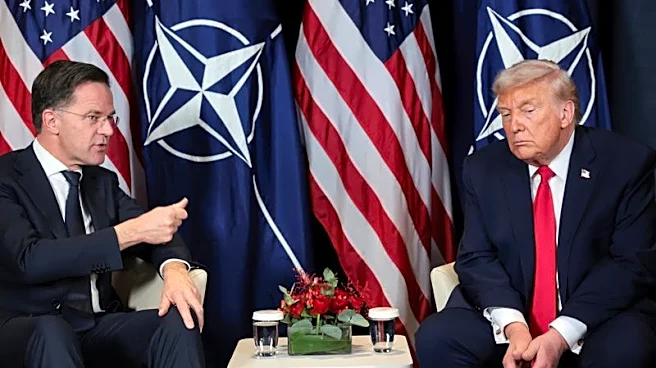
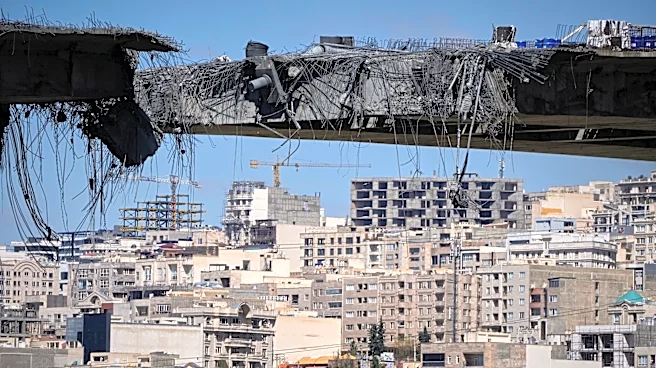
The closure of the Strait of Hormuz has led to a surge in global oil and gas prices, highlighting the strategic importance of this maritime route. Ukraine's offer to assist in reopening the strait underscores its growing role in international security dynamics. This move could enhance Ukraine's geopolitical influence and foster new defense partnerships, particularly with Gulf states. Additionally, it presents economic opportunities for Ukrainian defense industries, potentially generating revenue and attracting investment. The situation also reflects broader geopolitical tensions, with implications for U.S. and Western alliances in the region.
What's Next?
Diplomatic efforts to resolve the crisis have stalled, and military intervention may be necessary to ensure the safe passage of vessels through the strait. Ukraine's potential involvement would focus on defending against drone and missile threats, drawing on its experience in the Black Sea. However, the complexity of the situation requires a coordinated international response, and Ukraine's contribution would be part of a larger effort involving multiple stakeholders. The outcome of these efforts will have significant implications for global energy markets and regional stability.