

What's Happening?
Boston Mayor Michelle Wu has formally warned private property owners in the city against leasing parking facilities to U.S. Immigration and Customs Enforcement (ICE). This warning comes after ICE issued a public notice seeking 'Surge Parking' facilities in 14
cities, including Boston. Mayor Wu, in a letter to property owners, stated that such an arrangement would constitute an 'unprovoked and unwarranted escalation' of federal immigration enforcement, potentially posing significant risks to public safety and economic activity in the region. She also announced that her office would file public records requests to identify any property owners interested in working with ICE, with the intention of informing them of the city's opposition. This move follows previous actions by Mayor Wu, including signing executive orders prohibiting ICE from staging operations on municipal property and parking lots, in response to controversial ICE 'surge operations' in other cities.
Why It's Important?
Mayor Wu's actions highlight the ongoing tension between local sanctuary city policies and federal immigration enforcement efforts. Boston's Trust Act already limits cooperation between city police and ICE on civil immigration detainers, and the Boston Police Department reportedly ignored 57 such requests last year. The Mayor's current stance aims to prevent private entities from facilitating ICE operations, thereby extending the city's non-cooperation policy to the private sector. This could set a precedent for other sanctuary cities facing similar requests from ICE. The situation also underscores the broader debate about the role of local governments in immigration matters and the extent to which they can resist federal directives. The potential for ICE to use private property for operations could circumvent local policies, leading to increased federal presence and enforcement activities within cities that oppose them. This conflict also raises questions about the balance of power between federal agencies and municipal authorities.
What's Next?
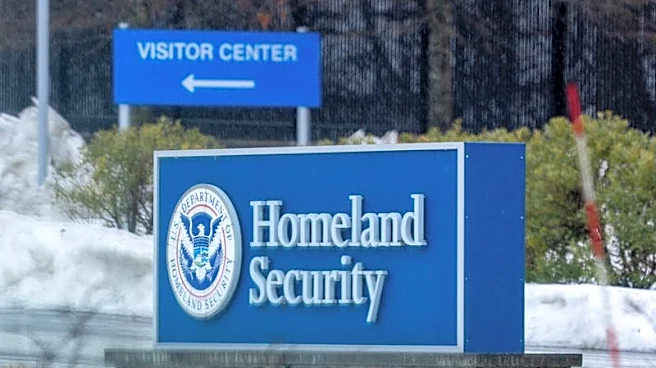
Mayor Wu's office will proceed with filing public records requests to identify private property owners who respond to ICE's call for 'Surge Parking.' The city intends to contact these entities to express its opposition to their cooperation with ICE. This could lead to public pressure on property owners and potentially deter them from leasing to the federal agency. ICE, through its local arm ERO Boston and the Department of Homeland Security, has criticized Mayor Wu's actions, asserting that she has no authority to block private property owners from working with federal law enforcement and accusing her of attempting to intimidate Bostonians. This suggests a continued standoff between the city and federal authorities. The outcome will depend on how private property owners respond to both ICE's request and the city's warning, and whether any legal challenges arise from either side regarding the city's efforts to influence private business decisions related to federal operations.
Beyond the Headlines
This situation delves into the ethical and political dimensions of local resistance to federal policies. Mayor Wu's appeal to private property owners to reject ICE's requests goes beyond direct governmental action, seeking to mobilize the private sector in support of the city's stance on immigration. This approach could be seen as a form of moral suasion, urging businesses to align with community values rather than purely economic interests. It also highlights the increasing politicization of immigration enforcement, where local leaders are actively challenging federal agencies. The debate extends to the definition of 'public safety' and 'economic vitality,' with Mayor Wu arguing that ICE operations pose risks to these, while federal agencies emphasize their role in enforcing immigration laws. This conflict could deepen divisions between federal and local governments, potentially impacting future collaborations on other issues and fostering a climate of distrust.