







What's Happening?
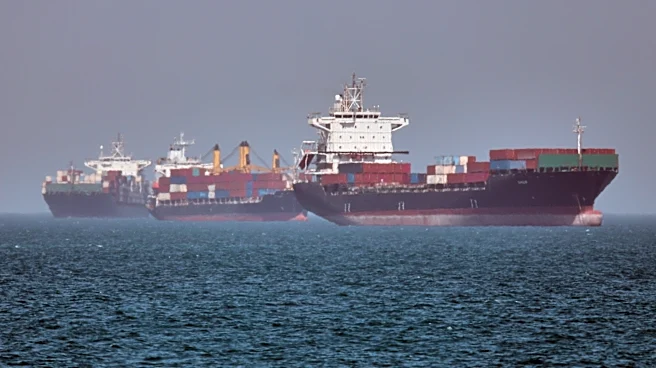
The global demand for coal has surged as a result of significant disruptions in oil and gas supplies from the Middle East. This trend has been particularly noticeable in March and April, with coal imports reaching near-record levels. The disruption is largely
due to the closure of the Strait of Hormuz and halted LNG production in Qatar, exacerbated by damages to the Ras Laffan LNG complex from Iranian missile strikes. As a result, countries like South Korea, Japan, and the European Union have increased coal imports by 27% compared to the previous year. The energy crisis has forced these regions to seek alternatives to Middle Eastern gas, leading to a temporary revival in coal usage.
Why It's Important?
This development highlights the critical role of the Middle East in global energy security and the vulnerability of relying heavily on oil and gas from this region. The shift back to coal, even temporarily, underscores the challenges in transitioning to cleaner energy sources and the geopolitical risks associated with energy supply chains. The increased coal demand could have environmental implications, potentially slowing down efforts to reduce carbon emissions. Additionally, the competition for LNG supplies between Europe and Asia could lead to higher energy prices and impact economic stability in these regions.
What's Next?
Countries affected by the energy crisis may need to reassess their energy policies and accelerate investments in renewable energy to reduce dependency on fossil fuels. The ongoing situation could prompt international discussions on energy security and diversification of energy sources. Stakeholders, including governments and energy companies, might explore new partnerships and technologies to enhance energy resilience.