



What's Happening?
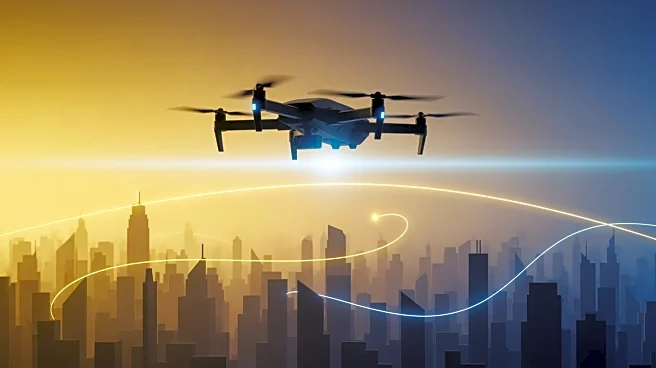
China has enacted a revised Civil Aviation Law to regulate unmanned aircraft, marking a significant step in the country's burgeoning drone and low-altitude economy sectors. The Standing Committee of the National People's Congress approved these changes,
which include airworthiness certification for drones, effective from July 1 next year. This regulatory update aims to address the rapid expansion of China's drone market, which has previously faced oversight challenges. The new rules require all entities involved in the design, production, import, maintenance, and operation of drones to obtain airworthiness certification. Additionally, drone manufacturers must assign a unique product identification code to each unit. The regulations also differentiate between various sizes of drones, with medium and large drones requiring certification from the Civil Aviation Administration of China (CAAC).
Why It's Important?
The introduction of these regulations is crucial for the structured growth of China's low-altitude economy, projected to reach over 2 trillion yuan by 2030. This move is expected to enhance safety and efficiency in the drone sector, which has become a vital component of logistics and delivery services in China. Companies like DJI and EHang, major players in the drone manufacturing industry, will need to adapt to these new requirements, potentially influencing their operations and market strategies. The regulations also aim to mitigate issues such as flight delays caused by illegal drone operations, thereby improving public safety and airspace management.
What's Next?
As the new regulations take effect, stakeholders in the drone industry, including manufacturers and service providers, will need to comply with the airworthiness certification process. This may lead to increased costs and operational adjustments for companies involved. The Chinese government is likely to monitor the implementation closely to ensure compliance and address any emerging challenges. The success of these regulations could serve as a model for other countries looking to regulate their own drone industries.