






What's Happening?
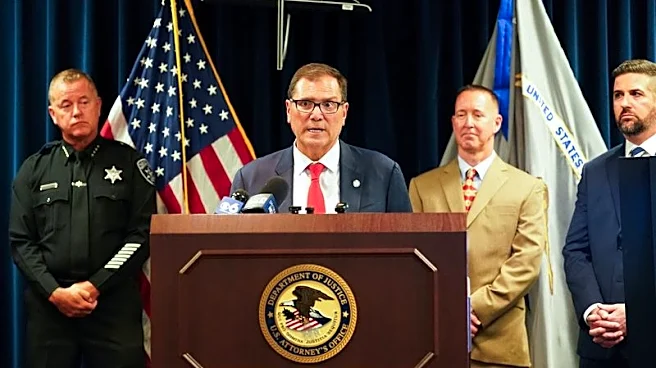
Jessica Bowie, a 35-year-old woman from Albany, has been charged with attempting to provide material support or resources to a designated foreign terrorist organization, ISIS. Federal investigators allege that Bowie plotted an attack on the New York State
Capitol between July 16 and August 19, 2026, with Albany City Hall also considered as a potential target. According to an affidavit, Bowie communicated with an FBI confidential source posing as an ISIS facilitator, discussing plans to attack the Capitol while senators were present. She allegedly visited the Capitol area multiple times, photographed the building, and sent images to the source. In one exchange, Bowie reportedly expressed a desire to destroy the building and kill senators. She also allegedly purchased materials using government-provided funds and provided $150 for an inert firearm, magazine, and ammunition. Bowie was arrested after leaving a vehicle with the inert weapons and an inert explosive device, and investigators found knives and a handwritten allegiance pledge on her.
Why It's Important?
This incident underscores the persistent threat of domestic terrorism and the ongoing efforts by law enforcement to counter individuals attempting to support foreign terrorist organizations within the United States. The alleged plot targeting the New York State Capitol, a symbol of state governance, highlights vulnerabilities in public institutions and the need for continuous vigilance. The use of confidential sources and inert devices by the FBI demonstrates the proactive measures taken to neutralize threats before they materialize into actual violence. This case could lead to increased security protocols at state government buildings and raise public awareness about the potential for radicalization. It also emphasizes the legal ramifications for individuals who attempt to provide material support to terrorist groups, regardless of whether the plot is fully executed or involves inert materials.
What's Next?
Jessica Bowie faces charges of attempting to provide material support to a designated foreign terrorist organization. The legal process will involve further investigations, court appearances, and potentially a trial. Lawmakers have reacted to the arrest, with some calling it a 'stark reminder' of ongoing threats. Security measures at the New York State Capitol and other government buildings may be reviewed and potentially enhanced in response to this alleged plot. The case will likely continue to be monitored by federal and state authorities, as well as the public, as it progresses through the judicial system. The outcome of the trial will depend on the evidence presented by federal investigators and the defense's arguments.
Beyond the Headlines
This case delves into the complex issue of radicalization and the psychological factors that lead individuals to attempt acts of terrorism. The alleged plot, involving communication with an FBI confidential source and the use of inert materials, raises questions about the nature of intent and the boundaries of entrapment in counter-terrorism operations. It also highlights the role of intelligence gathering and undercover operations in preventing potential attacks. The incident could spark broader discussions about online radicalization, mental health support, and community engagement strategies to identify and address individuals at risk of extremist behavior. The focus on a state capitol building also brings to light the vulnerability of democratic institutions to both domestic and international extremist ideologies, prompting a re-evaluation of security paradigms beyond federal targets.