






What's Happening?
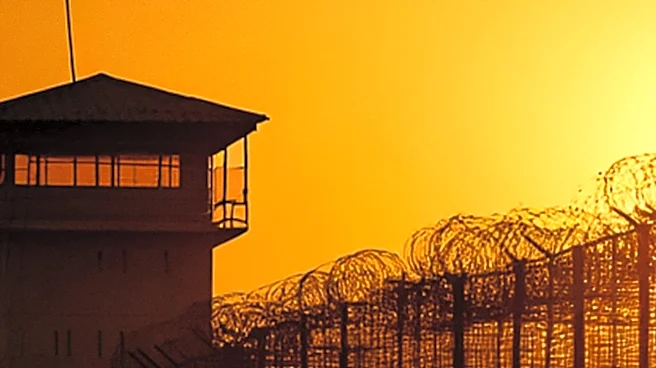
Two inmates have died following a cholera outbreak at the Kurmawa Medium Security Custodial Centre in Kano State, Nigeria. The Nigerian Correctional Service (NCoS) confirmed the outbreak through laboratory tests on September 23, conducted by its medical
team and Kano State public health authorities. The initial detection of the outbreak occurred on September 17 when an inmate began exhibiting symptoms of vomiting and stooling. This inmate was immediately admitted and treated at the facility's medical center, and emergency medical protocols were subsequently activated. One of the fatalities occurred within the custodial center, while the other was recorded at the Kano State Infectious Diseases Hospital. The NCoS has stated that coordinated interventions have brought the outbreak under control, and no further deaths have been reported since the diagnosis. Additional preventive measures have been implemented in collaboration with the Kano State Government to mitigate the risk of future outbreaks.
Why It's Important?
This incident highlights the critical public health challenges faced by correctional facilities, particularly in regions susceptible to infectious diseases like cholera. The confined and often overcrowded nature of prisons can accelerate the spread of such diseases, posing significant risks to both inmates and staff. The deaths underscore the necessity of robust disease surveillance, rapid diagnostic capabilities, and effective emergency response protocols within carceral settings. Furthermore, it emphasizes the broader public health implications, as outbreaks in such facilities can potentially spill over into the wider community. The involvement of both the Nigerian Correctional Service and Kano State public health authorities in the response indicates a recognition of the interconnectedness of prison health with general public health. Ensuring adequate healthcare services and sanitation in correctional facilities is crucial for preventing and managing infectious disease outbreaks, thereby protecting vulnerable populations and maintaining overall public health security.
What's Next?
The Nigerian Correctional Service has directed a team of senior medical personnel from its National Headquarters to proceed to the Kurmawa facility for sustained monitoring of the situation. This ongoing oversight aims to ensure the continued containment of the cholera outbreak and prevent any resurgence. The service is also strengthening continuous disease surveillance, early detection, and prompt medical intervention across all its custodial facilities. In collaboration with the Kano State Government, additional preventive measures have been introduced, suggesting a long-term strategy to enhance health security within the prison system. The NCoS has reassured the public that healthcare services remain available to inmates through qualified medical personnel and has urged reliance on verified information from official channels. Future efforts will likely focus on reinforcing sanitation, hygiene practices, and medical infrastructure within correctional facilities to prevent similar health crises.
Beyond the Headlines
The cholera outbreak in the Kano prison transcends a mere health incident, touching upon deeper issues of human rights, public health equity, and the challenges of governance in managing vulnerable populations. The confined environment of a prison often exacerbates health risks, making inmates particularly susceptible to infectious diseases. This situation raises questions about the adequacy of healthcare provisions and sanitary conditions within correctional facilities, which are often overlooked in broader public health discussions. The incident also highlights the ethical imperative for governments to ensure the well-being of all individuals under their care, including those incarcerated. From a societal perspective, the health of prison populations is not isolated; it can serve as an indicator of the overall public health infrastructure and preparedness for epidemics. Addressing such outbreaks requires not only immediate medical intervention but also systemic improvements in infrastructure, resource allocation, and policy frameworks to safeguard the health of all citizens, regardless of their legal status.