




What's Happening?
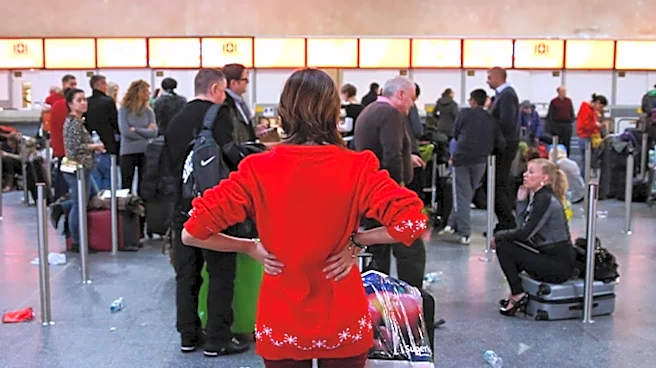
Brian Kelly, founder of ThePointsGuy.com, has provided extensive advice to travelers impacted by a nationwide Federal Aviation Administration (FAA) ground stop. This unprecedented event led to the cancellation of thousands of flights and affected over
a million travelers across the U.S. Kelly emphasized the importance of proactive measures for those affected, advising individuals who do not need to travel to cancel their flights and demand a refund rather than accepting vouchers, as airlines are legally obligated to provide refunds for canceled flights. He also highlighted that airlines are not required to provide food or hotel vouchers for situations beyond their control, such as an FAA ground stop, likening the situation to 'The Hunger Games' where travelers must look out for themselves. Kelly stressed the urgency for travelers to act quickly in securing alternative accommodations or transportation, as resources like hotels would be rapidly booked. He also noted that passengers whose flights were canceled earlier might not be prioritized over those scheduled for later flights, as airlines typically re-accommodate based on the original flight's departure time.
Why It's Important?
This advice from Brian Kelly is crucial for U.S. travelers as it clarifies their rights and options during widespread travel disruptions caused by events like the FAA ground stop. Understanding that airlines are legally bound to offer refunds for canceled flights, but not necessarily additional compensation for lodging or meals, empowers consumers to make informed decisions. The guidance on travel insurance and credit card benefits is particularly significant, as many travelers may be unaware of these protections. Kelly's emphasis on proactive measures, such as quickly securing hotels or rental cars, can mitigate financial losses and reduce stress for individuals stranded far from home. His insights also highlight the systemic challenges within the airline industry's rebooking processes, where passengers from earlier cancellations may not receive priority, leading to prolonged delays and frustration. This situation underscores the need for travelers to be prepared for unforeseen circumstances and to understand the limitations of airline responsibilities during such events.
What's Next?
Following the FAA ground stop, Kelly anticipates that it will take weeks for airline schedules to return to normal, advising travelers to expect continued delays and to approach the situation with patience. He recommends regularly checking FAA.gov for updates and using airline mobile applications to monitor flight status and potential new flight openings due to other cancellations. For those with non-refundable hotel bookings, Kelly suggests politely asking hotels for cancellations rather than demanding them, as hotels are not obligated to provide refunds in such circumstances. He also strongly advocates for purchasing travel insurance, especially for high-value trips like cruises and international travel, as it is critical for covering unexpected costs during mass travel disruptions. Kelly's advice also extends to in-person interactions, urging travelers to remain kind and understanding with airport employees, who are not at fault for the disruptions and are working to assist passengers in difficult situations.
Beyond the Headlines
The FAA ground stop and the subsequent advice from Brian Kelly reveal deeper implications regarding consumer preparedness and the evolving landscape of travel. The 'every man for himself' scenario highlighted by Kelly underscores a potential gap in consumer protection during large-scale, systemic disruptions that are beyond an airline's direct control. This event could prompt a re-evaluation of travel insurance policies and credit card benefits, potentially leading to more comprehensive coverage options or clearer communication about exclusions for mass shutdowns. Furthermore, the advice to remain calm and kind to airport staff points to the broader societal impact of such events, where stress and frustration can escalate into negative interactions. It highlights the need for empathy and understanding in challenging situations, not just from travelers but also from service providers. The incident also serves as a stark reminder of the fragility of modern air travel infrastructure and the cascading effects that a single point of failure can have on millions of individuals and various sectors of the economy, including hotels, concert venues, and sports events.