
What's Happening?
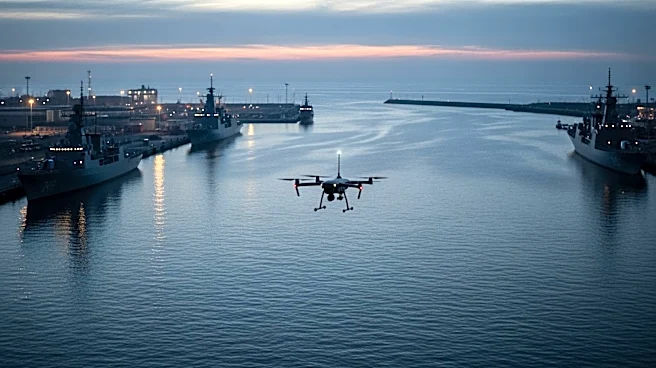
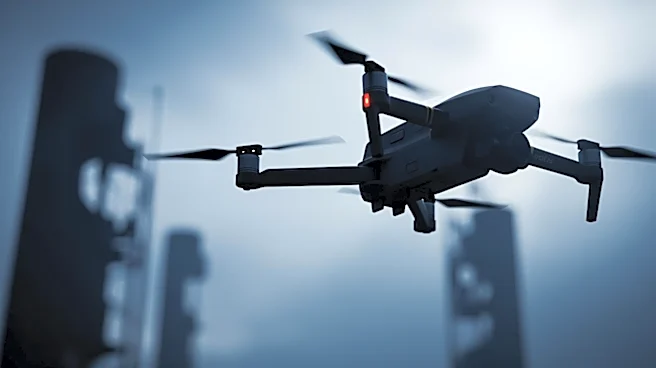
Ukraine has intensified its use of drone technology to target Russian military assets, marking a significant development in the ongoing conflict. Ukrainian drones, including advanced models like the Darts-2,
have been deployed to disrupt Russian logistics and strike deep into Russian territory. These drones are equipped with AI-assisted targeting capabilities, allowing them to operate effectively even in challenging conditions. Recent operations have seen Ukrainian drones targeting naval facilities and oil terminals, causing significant disruptions. The use of drones has become a critical component of Ukraine's strategy to counter Russian military advantages, with new models being developed to enhance their operational range and effectiveness.
Why It's Important?
The increased use of drones by Ukraine represents a strategic shift in modern warfare, emphasizing the role of technology in leveling the playing field against larger adversaries. This development has significant implications for military strategies worldwide, as it demonstrates the potential of drones to conduct precise and impactful operations. For the U.S. and its allies, Ukraine's success with drone technology underscores the importance of investing in similar capabilities to counter emerging threats. Additionally, the conflict highlights the vulnerabilities of traditional military assets to drone attacks, prompting a reevaluation of defense strategies and the need for enhanced counter-drone measures.
What's Next?
As Ukraine continues to develop and deploy advanced drone technologies, it is likely that Russia will intensify its efforts to counter these threats. This could lead to an escalation in the conflict, with both sides seeking to gain technological superiority. The international community, particularly NATO members, may increase support for Ukraine's defense capabilities, including providing advanced counter-drone systems. The ongoing conflict also raises questions about the future of warfare and the role of autonomous systems, potentially influencing global military policies and defense spending priorities.