





What's Happening?
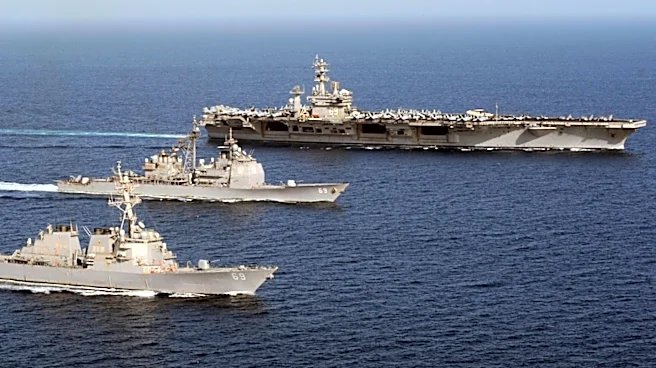
The United States, Japan, Australia, and India are conducting the Malabar 2026 naval exercise off the coast of Japan's Kanto region from November 5 to November 12. This annual exercise involves warships, submarines, and maritime patrol aircraft from the four
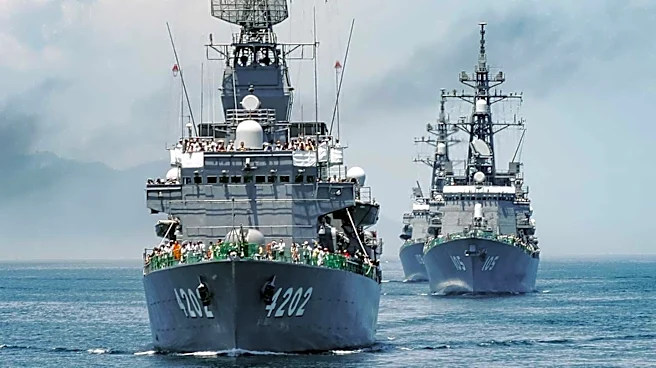
Quad nations, focusing on anti-submarine and anti-surface warfare drills. The opening ceremony took place aboard the Japan Maritime Self-Defense Force's (JMSDF) helicopter destroyer JS Ise at Yokosuka naval base. Vice Admiral Katsushi Omachi, Japan's Self-Defense Fleet Commander, and Vice Admiral Patrick Hannifin, Commander of the U.S. Seventh Fleet, emphasized the importance of interoperability and mutual trust in addressing the increasingly complex security environment in the Indo-Pacific. Participating assets include Japan's JS Ise and JS Mogami, a submarine, and a P-1 maritime patrol aircraft; India's INS Sahyadri; Australia's HMAS Stuart and a P-8A Poseidon; and the U.S.'s USS Anchorage, USS John P. Murtha, and a P-8A Poseidon.
Why It's Important?
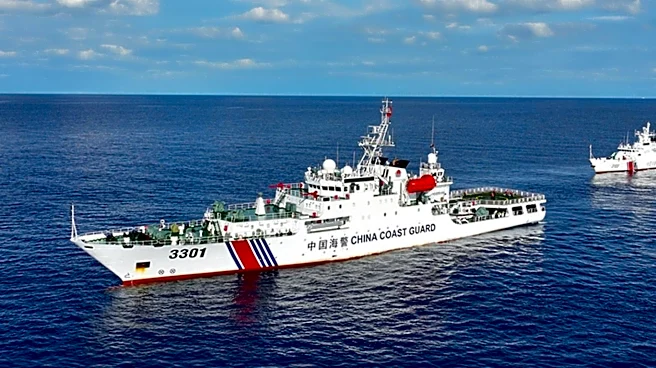
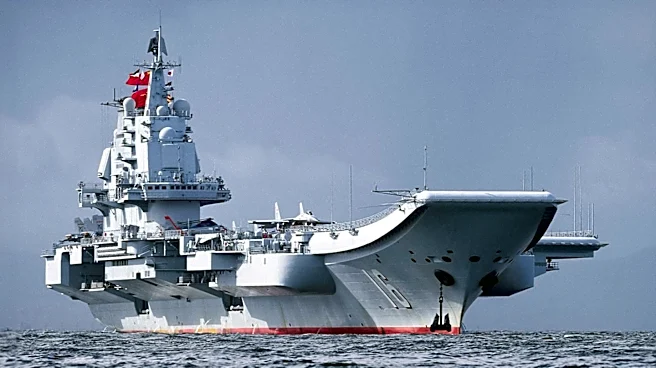
The Malabar 2026 exercise is a significant demonstration of the Quad nations' commitment to strengthening maritime security cooperation and enhancing their ability to operate together in the Indo-Pacific. This is particularly important given China's expanding naval presence and assertive activities in the region. The drills aim to improve tactical capabilities, operational coordination, and interoperability among the participating navies, which is essential for maintaining a 'Free and Open Indo-Pacific.' For the U.S., these exercises reinforce its alliances and partnerships, projecting a unified front against potential threats to regional stability and freedom of navigation. The focus on anti-submarine warfare, in particular, suggests a strategic response to the growing capabilities of potential adversaries. By regularly conducting such complex exercises, the Quad nations signal their collective resolve to uphold a rules-based international order and deter actions that could destabilize the region.
What's Next?
The Malabar 2026 exercise is scheduled to conclude on November 12, with participants having engaged in both harbor and sea phases to exchange expertise and conduct practical training. Beyond the immediate exercise, the Quad nations are expected to continue their efforts to strengthen maritime cooperation and coordination. A potential Quad Leaders' Summit in Manila, the Philippines, during the ASEAN summit later this month, could further solidify diplomatic and security ties, addressing broader areas of cooperation beyond military activities. These ongoing engagements are crucial for building lasting trust and ensuring that the Quad members can effectively respond to regional crises and maintain a consistent level of coordination across the Indo-Pacific.
Beyond the Headlines
While the Malabar exercises are framed as efforts to enhance security and cooperation, they are also viewed by some, including Chinese military experts, as contributing to regional tensions. The combat-oriented nature of these drills, particularly the focus on anti-submarine warfare, is seen as being aimed at Chinese submarine operations. This highlights the delicate balance between deterrence and escalation in the Indo-Pacific. The exercises also provide an opportunity for China to study the tactics and technologies of the participating nations. The involvement of India, which also engages in exercises with Russia, underscores the complex and multi-faceted nature of international defense diplomacy, where nations seek to maintain strategic autonomy while participating in various security frameworks. The long-term implications include the potential for an arms race and increased military presence in the region, necessitating careful diplomatic management to prevent miscalculation and ensure regional stability.