




What's Happening?
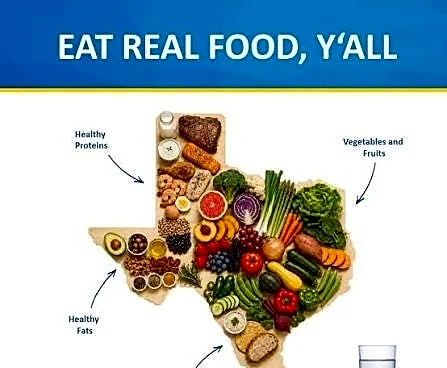
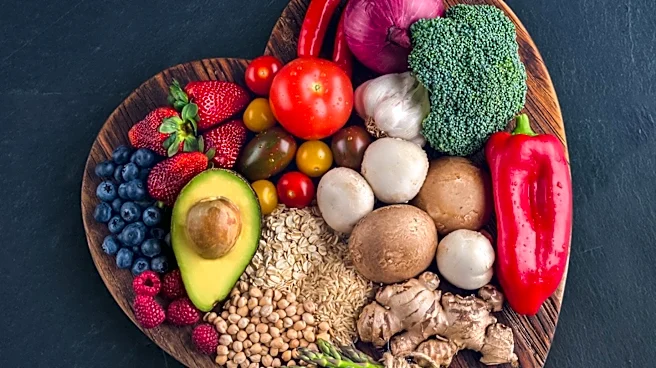
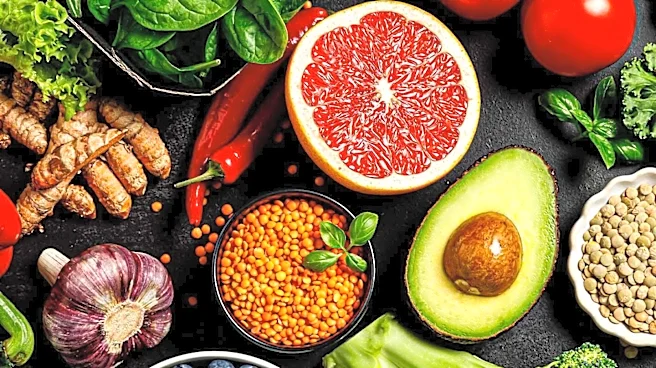
An anti-inflammatory diet, characterized by a balanced intake of fruits, vegetables, whole grains, and healthy fats, is gaining recognition for its health benefits. The Mediterranean dietary pattern, in particular, is highlighted for its potent anti-inflammatory effects.
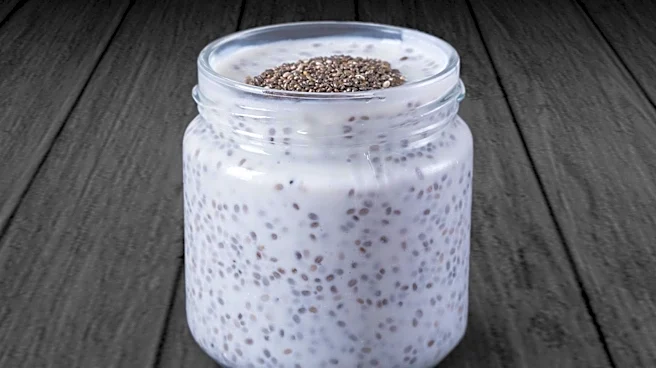
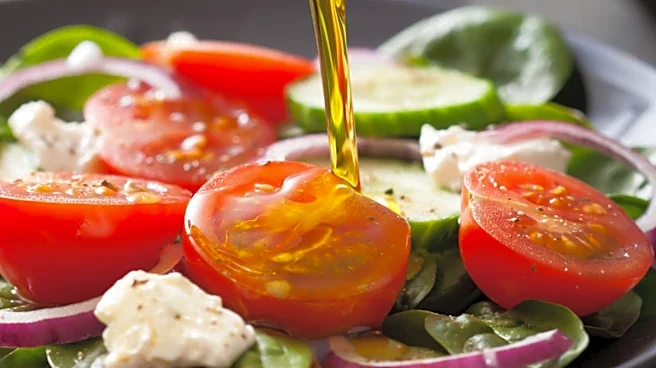
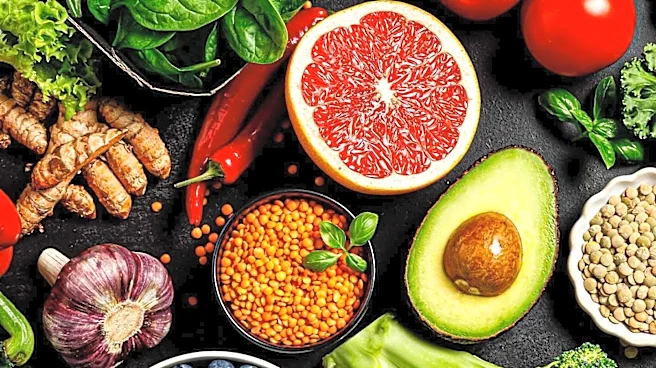
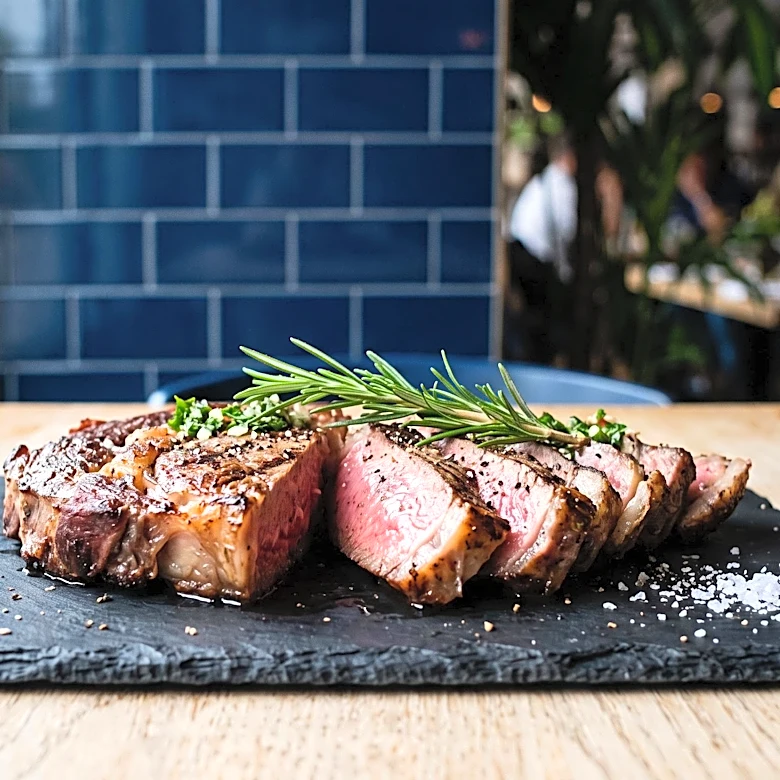
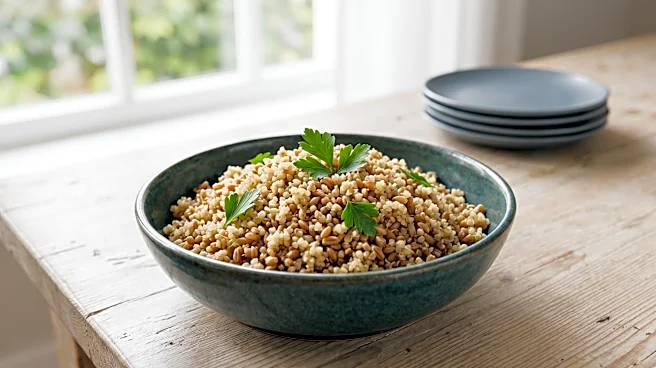
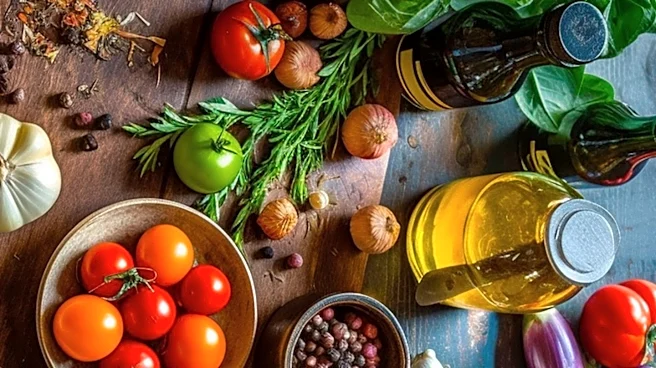
This diet, rich in extra-virgin olive oil, vegetables, legumes, fruits, nuts, seeds, and whole grains, has been associated with lower circulating concentrations of inflammatory biomarkers. Beyond general wellness, this dietary approach is specifically recommended for reducing treatment-related side effects, such as chemotherapy-induced peripheral neuropathy (CIPN). Studies indicate that higher-quality dietary patterns, like the Mediterranean diet, correlate with a lower risk of developing moderate-to-severe CIPN and can reduce pro-inflammatory cytokines. Conversely, sugar-sweetened beverages and red/processed meats have been linked to an increased risk of CIPN, while whole-grain intake has been shown to reduce the worsening of neuropathy.
Why It's Important?
The emphasis on anti-inflammatory diets, especially the Mediterranean pattern, holds significant importance for public health and medical treatment strategies in the U.S. For the general population, adopting such a diet can contribute to overall wellness by reducing inflammation, a known factor in various chronic diseases. More critically, for cancer patients undergoing chemotherapy, this dietary intervention offers a tangible way to mitigate debilitating side effects like CIPN, which can severely impact quality of life and even lead to treatment discontinuation. By providing a non-pharmacological approach to managing these side effects, it empowers patients and healthcare providers with a complementary strategy to improve treatment adherence and outcomes. The focus on whole, unprocessed foods also aligns with broader public health goals of combating diet-related illnesses and promoting healthier eating habits across the nation.
What's Next?
Moving forward, increased integration of anti-inflammatory dietary recommendations into standard medical care, particularly in oncology, is anticipated. Healthcare providers, including naturopathic physicians, are expected to continue emphasizing the importance of diet and lifestyle changes for patients. This includes educating patients on incorporating more vegetables, whole grains, legumes, olive oil, and oily fish, while systematically reducing sodas and processed meats. Further research may explore the precise mechanisms through which these diets exert their effects and identify specific compounds responsible for anti-inflammatory actions. There may also be a push for more accessible resources and guidance to help individuals adopt and maintain these dietary patterns, potentially through public health campaigns or insurance-covered nutritional counseling. The ongoing evaluation of dietary interventions alongside conventional treatments will likely refine best practices for managing inflammation and treatment-related side effects.
Beyond the Headlines
The growing recognition of anti-inflammatory diets extends beyond immediate health benefits, touching upon broader societal and economic implications. Ethically, it underscores the importance of holistic patient care, integrating nutritional science with conventional medicine to improve patient well-being. Culturally, it may foster a greater appreciation for traditional dietary patterns, such as the Mediterranean diet, which are often rooted in sustainable and locally sourced foods. Economically, a healthier population with reduced chronic inflammation could lead to lower healthcare costs in the long run, as fewer resources would be needed to manage inflammation-related diseases. This shift also highlights the potential for the food industry to innovate and offer more anti-inflammatory food options, catering to a growing consumer demand for health-conscious products. The long-term shift could see a re-evaluation of dietary guidelines, placing a stronger emphasis on the anti-inflammatory properties of food.