





What's Happening?
President Donald Trump is set to announce a deal with Regeneron Pharmaceuticals to lower the cost of its drugs as part of the White House's most-favored-nation drug pricing initiative. The agreement includes reducing prices for current and future drugs on Medicaid
and selling the cholesterol drug Praluent for $225 on the TrumpRx website. This initiative is part of the Trump administration's efforts to provide economic relief amid rising costs for healthcare and other essentials. The deal with Regeneron is the final agreement in a series of negotiations with major pharmaceutical companies aimed at aligning U.S. drug prices with those in other developed nations. Additionally, Regeneron has committed to investing nearly $10 billion to bring pharmaceutical production to the U.S., which aligns with Trump's strategy of offering tariff relief in exchange for domestic production commitments.
Why It's Important?
The deal with Regeneron represents a significant step in the Trump administration's efforts to address high drug prices, a major concern for many Americans. By securing lower prices for Medicaid, the agreement could alleviate financial pressure on state budgets and improve access to essential medications for low-income individuals. The commitment to increase domestic pharmaceutical production could also bolster the U.S. economy by creating jobs and reducing dependency on foreign manufacturing. However, the lack of transparency regarding the details of these agreements raises questions about their long-term impact and effectiveness. The administration's push to codify these deals into law could face challenges in Congress, where there is ongoing debate about the best approach to drug pricing reform.
What's Next?
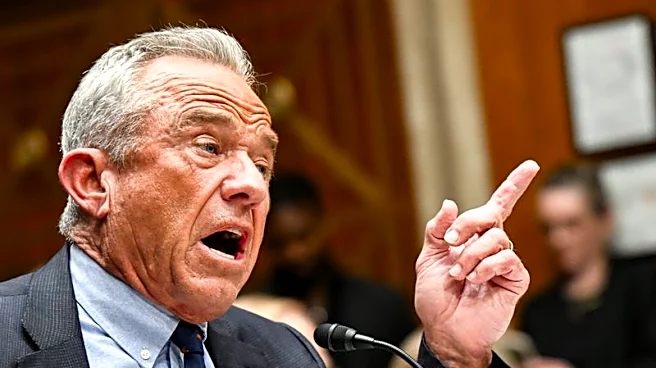
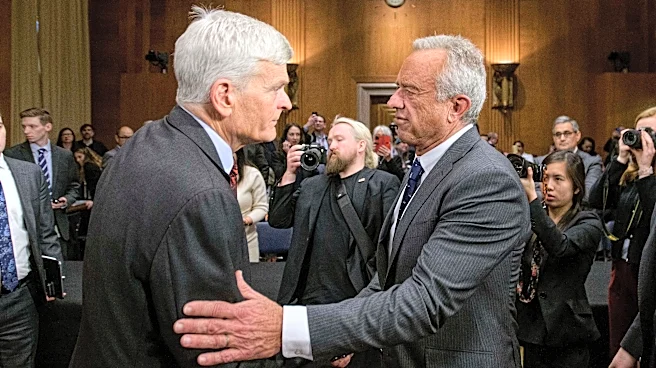
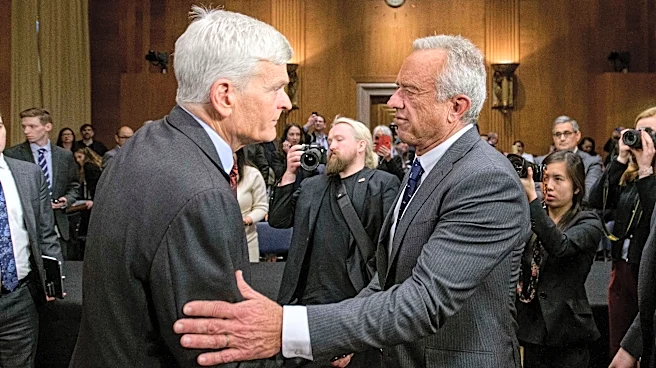
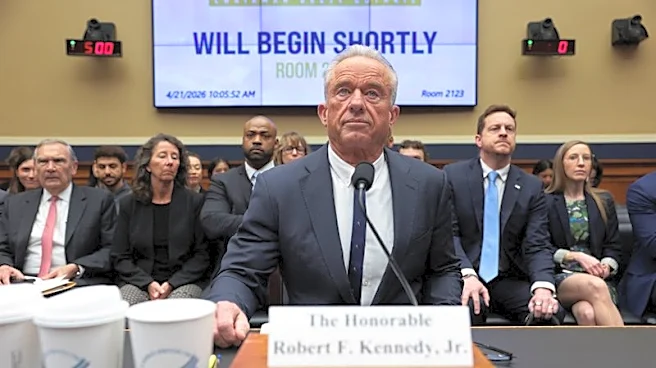
As the Trump administration continues to promote its drug pricing initiatives, there may be increased pressure on Congress to formalize these agreements into law. Health Secretary Robert F. Kennedy Jr. has indicated a willingness to share non-proprietary details of the deals with Congress, which could influence legislative efforts. The upcoming midterm elections may also impact the political landscape, as drug pricing remains a key issue for voters. Pharmaceutical companies and industry stakeholders will likely monitor the situation closely, as any changes to drug pricing policies could affect their business strategies and market dynamics.