
What's Happening?
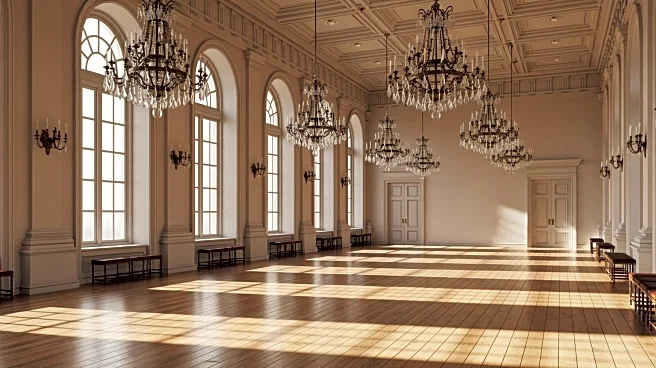
A federal judge in Washington, D.C., Richard Leon, is scrutinizing the Trump administration's authority to proceed with the construction of a 90,000 square-foot ballroom at the White House. The National
Trust for Historic Preservation has filed a lawsuit against the administration, arguing that the project lacks necessary regulatory consultations, environmental assessments, and congressional authorization. The demolition of the East Wing began in October, with foundation work ongoing. The administration claims the project is legal under existing statutes and is funded by private donations, not taxpayer money. Judge Leon has expressed skepticism about the administration's interpretation of its authority, comparing the project to previous, less extensive renovations.
Why It's Important?
The case highlights the tension between executive authority and regulatory oversight, particularly concerning historic preservation and public accountability. The outcome could set a precedent for how future administrations undertake significant renovations or constructions at the White House. The project, estimated to cost $400 million, raises questions about the use of private funds for public property renovations and the potential bypassing of congressional oversight. The decision could impact how federal properties are managed and preserved, influencing public policy and the balance of power between the executive branch and regulatory bodies.
What's Next?
Judge Leon is expected to issue a ruling in February. The decision may be appealed to higher courts, potentially reaching the Supreme Court. The National Capital Planning Commission is set to vote on the project in March, with public input being solicited. The administration aims to continue construction, with the ballroom expected to be completed by 2028. The case could prompt legislative or regulatory changes to clarify the scope of executive authority in similar projects.