






What's Happening?
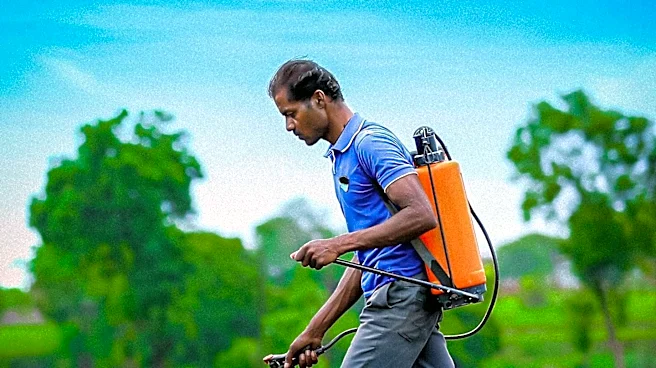
Aguek Kiir, a 74-year-old farmer and fisherman in Nyongkuach Payam, Baliet County, South Sudan, has transitioned from severe food insecurity to regular meals thanks to an EU-funded cash assistance project. For years, Aguek's livelihood was devastated
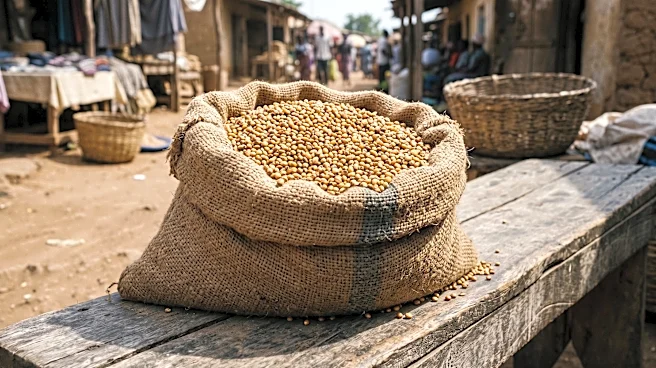
by recurrent floods that destroyed crops, armed conflict in neighboring areas that closed markets and trade routes, and the significant devaluation of the South Sudanese Pound in 2023, which tripled food prices. His family, including his grandchildren, often went for two days without food, surviving on fish, leaves, and wild fruits. Traditional coping mechanisms, such as exchanging labor for food, became impossible as no one had surplus to share. DanChurchAid (DCA) and its partner Nile Hope intervened with a 12-month project providing multi-purpose cash transfers (MPCT) and e-voucher assistance to vulnerable households. Aguek received an e-voucher, which allowed him to purchase essential goods like sorghum, salt, cooking oil, and soap from local vendors, giving him the dignity of choice. This support immediately alleviated hunger, enabling his grandchildren to eat twice daily and allowing Aguek to begin rebuilding his small farm by purchasing seeds for future planting.
Why It's Important?
This initiative highlights the critical role of cash-based interventions in addressing urgent humanitarian needs and fostering dignity among vulnerable populations in South Sudan. The project's success with Aguek Kiir demonstrates how direct financial aid can empower individuals to make their own purchasing decisions, which is often more effective and respectful than in-kind donations. This approach is particularly significant in contexts like South Sudan, where economic instability, conflict, and climate shocks have severely disrupted traditional livelihoods and market access. The ability of cash assistance to immediately improve food security and enable long-term planning, such as purchasing seeds for farming, showcases its potential to break cycles of dependency and build resilience. Furthermore, the combination of cash transfers with protection services addresses not only immediate hunger but also broader vulnerabilities, especially among returnees, displaced populations, and host communities. This model offers a valuable blueprint for humanitarian aid organizations seeking to provide flexible, efficient, and empowering support in complex emergencies, contributing to both immediate relief and sustainable recovery.
What's Next?
Aguek Kiir plans to plant his small plot with the seeds he purchased and savings he set aside when the next rains arrive, aiming to further rebuild his farm and secure his family's food supply. He hopes that the support program will continue and expand to reach more families in nearby communities like Adong and Nyongrial, acknowledging the persistent need for assistance. However, he also noted the rising costs of goods, indicating that the purchasing power of the e-voucher has diminished, with almost the entire amount now needed for a single bag of sorghum. This suggests that future iterations of such programs may need to adjust the value of assistance to keep pace with inflation and market fluctuations. The ongoing challenges of conflict, climate change, and economic instability in South Sudan mean that humanitarian aid, particularly cash-based interventions, will remain crucial. Organizations like DanChurchAid and Nile Hope will likely continue to seek funding and partnerships to sustain and expand these vital programs, aiming to help more families achieve food security and rebuild their lives.
Beyond the Headlines
The story of Aguek Kiir and the cash assistance program illuminates deeper implications regarding humanitarian aid philosophy and economic empowerment. The shift from traditional in-kind aid to cash transfers represents a significant evolution in humanitarian practice, recognizing the agency and dignity of beneficiaries. By allowing individuals to choose what they need most, these programs not only address immediate material needs but also restore a sense of control and self-worth often eroded by displacement and poverty. This approach can also stimulate local economies by directing funds to local vendors, fostering a more sustainable and integrated recovery process. However, the challenge of rising costs, as noted by Aguek, highlights the fragility of such gains and the constant need for adaptive programming in volatile economic environments. It also underscores the broader systemic issues in South Sudan, where persistent conflict and economic instability undermine long-term recovery efforts. The dream of Aguek for his grandchildren to grow up in a peaceful community with enough to eat encapsulates the ultimate goal of humanitarian work: not just survival, but the creation of conditions for a dignified and prosperous future, free from the cycles of hunger and violence.