



What's Happening?
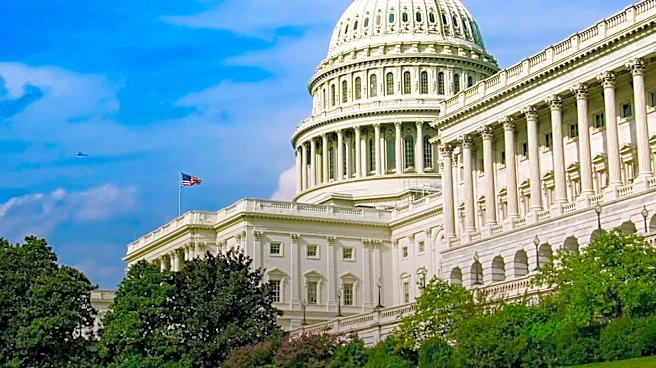
Congressional Democrats, including Representatives Don Beyer (D-8) and Suhas Subramanyam (D-10) from Northern Virginia, have initiated an investigation into the conduct of Immigration and Customs Enforcement (ICE) agents. This action follows an incident
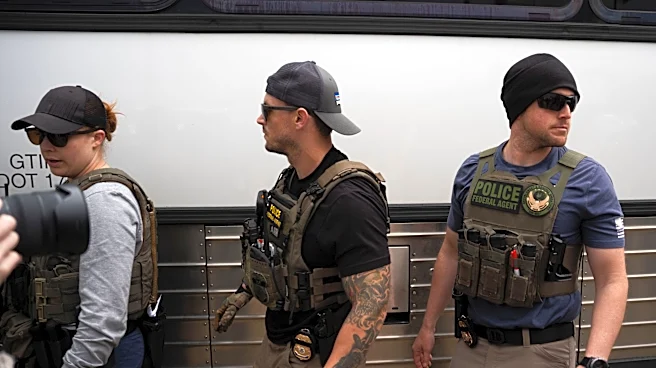
where an ICE officer allegedly pointed a gun at Carolina Molina, a Loudoun County resident, in a Bailey’s Crossroads parking lot. Molina filmed the encounter, which she later posted on Instagram. According to Beyer, the agent also falsely claimed Molina was following them and attempted to run them over. The investigation will be conducted in coordination with Rep. James Walkinshaw (D-11) and Democratic leaders of the Judiciary, Oversight, and Homeland Security committees. The lawmakers have also sent a letter to the FBI and the Department of Justice’s Civil Rights Division, requesting an investigation into the altercation and asking for the agent involved to be placed on leave. They are seeking a response by August 31 and have requested the preservation of body-camera footage from the agents.
Why It's Important?
This investigation is significant as it addresses concerns about potential abuses of power by federal law enforcement and the protection of civil liberties. The incident involving Carolina Molina, particularly the alleged pointing of a gun and false accusations, raises questions about ICE's operational procedures and accountability. The involvement of congressional leaders underscores the gravity of these concerns, suggesting a broader pattern of alleged 'ICE brutality' beyond this single event, as indicated by Rep. Beyer. If the investigation confirms misconduct, it could lead to policy changes within ICE regarding use-of-force protocols, training, and oversight. Furthermore, the request for the FBI and DOJ Civil Rights Division to investigate highlights the potential for federal legal action and the importance of upholding constitutional rights. The case also brings to light the challenges individuals face when encountering law enforcement, especially when there is a disparity in power and the potential for unsubstantiated claims, emphasizing the critical role of personal recording devices like dash cams in documenting such interactions.
What's Next?
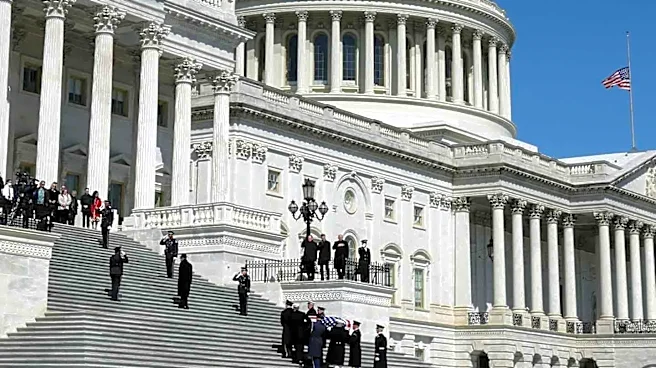
The congressional investigation will proceed with coordination among the involved representatives and committees. The FBI and the Department of Justice’s Civil Rights Division are expected to respond to the letter from the congressional leaders by August 31, which may include initiating their own investigations. The lawmakers have requested that the agent involved be placed on leave pending the outcome of the investigation. If Democrats gain control of the House in the upcoming mid-term elections, Rep. Subramanyam indicated that the agent could be called to testify before Congress. Additionally, commonwealth attorneys in Fairfax and Arlington are reportedly looking into both the Molina case and another incident involving Jose Mejia Hernandez, who allegedly sustained injuries after an encounter with ICE. The Department of Homeland Security, to which ICE referred inquiries, has issued a statement criticizing the representatives but has not confirmed whether body camera footage will be released.
Beyond the Headlines
This incident and the subsequent congressional investigation delve into deeper issues concerning the balance between national security and individual rights, particularly within the context of immigration enforcement. The allegations of 'ICE brutality' and the use of a firearm in a non-threatening situation raise ethical questions about the appropriate level of force and the training provided to federal agents. The Department of Homeland Security's response, which accused the representatives of failing to protect citizens from 'illegal alien crime' and did not address the body camera footage, highlights the political polarization surrounding immigration issues and law enforcement accountability. This case could set a precedent for how similar incidents are handled in the future, potentially influencing public trust in federal agencies and prompting a re-evaluation of oversight mechanisms for ICE operations. The anxiety expressed by Carolina Molina post-incident also underscores the psychological impact of such encounters on individuals and communities.