







What's Happening?
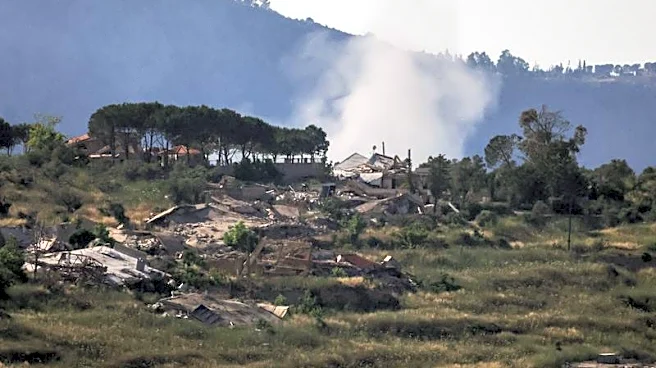
The Simantov family's rare white lily preservation project at the Seeds from Zion nursery in Israel has suffered significant damage due to missile interception fragments. The incident occurred during an Iranian missile attack, with fragments falling on the nursery's
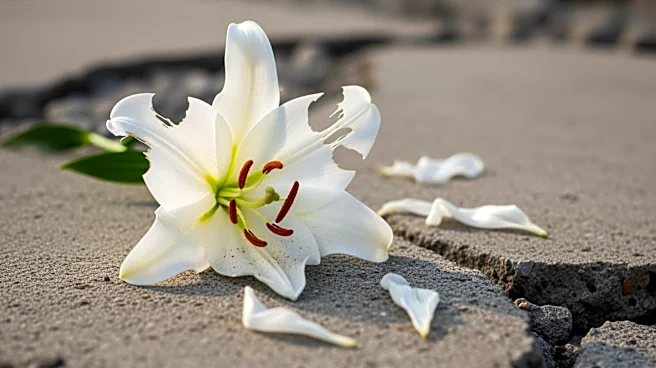
unique white lily plot. This project, which began in 2004, involved the cultivation of thousands of white lily bulbs, originally discovered during the excavation of the Carmel tunnels. The family, with approval from the Nature and Parks Authority, has been working to conserve and propagate these rare plants. The damage has created a large crater in the plot, and the full extent of the destruction to the bulbs, which take years to mature, remains uncertain.
Why It's Important?
The damage to the Simantov family's project highlights the vulnerability of conservation efforts in conflict zones. The white lily project is not just an agricultural endeavor but a significant conservation effort aimed at preserving a rare plant species. The loss of these bulbs represents a setback for biodiversity and conservation efforts in the region. The incident underscores the broader impact of military conflicts on environmental and cultural heritage projects. The Simantov family's work is crucial for maintaining the genetic diversity of the white lily, and the damage could have long-term implications for the species' survival and the ecological balance in the area.
What's Next?
The Simantov family is awaiting an official damage assessment from the Property Tax Authority, expected next week. The assessment will help determine the extent of the damage and the potential for recovery. The family hopes that some bulbs have survived and are considering the next steps for the project. The incident may prompt discussions on the need for better protection and support for conservation projects in conflict-prone areas. The family and conservationists may seek assistance from government and international bodies to restore and continue their work.
Beyond the Headlines
This event raises questions about the intersection of environmental conservation and conflict. The destruction of the white lily plot illustrates the broader challenges faced by conservationists working in areas affected by military activities. It highlights the need for policies that protect natural heritage sites from the collateral damage of conflicts. Additionally, the incident may lead to increased awareness and support for conservation efforts, emphasizing the importance of preserving biodiversity even amidst geopolitical tensions.