


What's Happening?
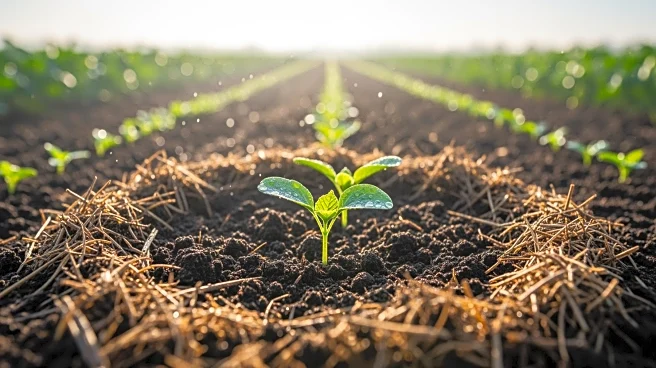
A recent study published in the journal Sustainability highlights the impact of climate change on smallholder agriculture in South Africa and the potential of sustainable practices to mitigate these effects. Small farms, heavily reliant on seasonal rainfall,
face increased risks from rising temperatures, erratic weather, and soil degradation. The study identifies climate-smart and conservation agriculture as effective strategies to enhance resilience. These practices include drought-tolerant crops, crop diversification, and improved soil management. Despite the benefits, adoption is limited due to socioeconomic barriers such as lack of access to credit and insecure land tenure.
Why It's Important?
The findings underscore the critical role of sustainable agriculture in ensuring food security and economic stability in rural South Africa. Smallholder farmers are vital to local food supply and rural economies, and their ability to adapt to climate change is essential for long-term sustainability. The study highlights the need for policy interventions that address structural barriers, such as improving access to finance and secure land rights, to facilitate the adoption of resilient farming practices. This research is crucial for informing policies that support smallholder farmers and enhance their capacity to withstand climate shocks.
What's Next?
To scale the adoption of sustainable practices, coordinated efforts are needed from policymakers, researchers, and agricultural extension services. Future initiatives may focus on providing targeted subsidies, improving infrastructure, and enhancing knowledge transfer through extension services. Addressing gaps in research, particularly in livestock systems and gender dimensions of adaptation, will be important for developing comprehensive strategies. The study calls for localized and flexible policy approaches that align with the realities of smallholder farmers, ensuring that interventions are effective and sustainable.