

What's Happening?
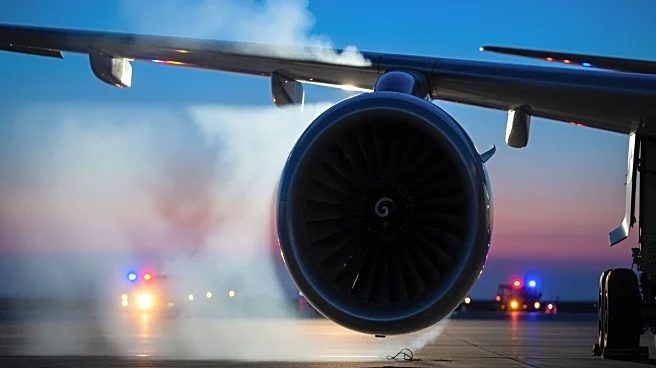
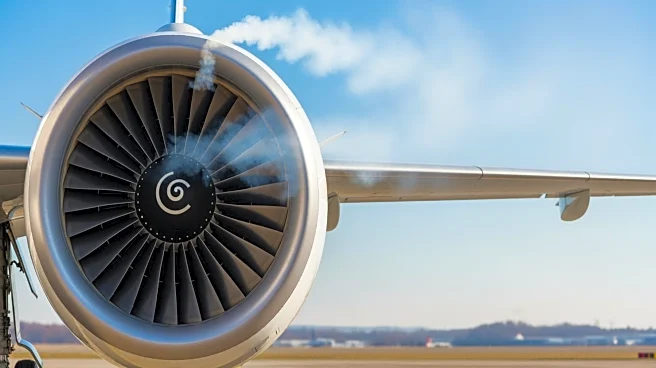
A United Airlines Boeing 787 experienced an engine failure shortly after takeoff from Los Angeles, leading to an emergency evacuation. The incident occurred when smoke and alarms indicated a possible fire in one of the jet's engines. The aircraft returned
to Los Angeles International Airport, where passengers were evacuated safely. No serious injuries were reported among the 268 passengers and crew. The Federal Aviation Administration is investigating the cause of the engine issue, which may be related to bird strikes or metal fatigue. The incident highlights the importance of pilot training and adherence to safety protocols during emergencies.
Why It's Important?
The incident underscores the critical role of pilot training and emergency preparedness in ensuring passenger safety during in-flight emergencies. The swift actions of the flight crew prevented potential injuries and demonstrated the effectiveness of safety protocols. The event also highlights the ongoing challenges faced by airlines in maintaining aircraft safety and addressing mechanical issues. The investigation by the FAA will provide insights into the cause of the engine failure and inform future safety measures. The incident serves as a reminder of the importance of passenger compliance with safety instructions during evacuations.
What's Next?
The FAA's investigation will focus on identifying the cause of the engine failure and evaluating the airline's response to the emergency. The findings may lead to recommendations for improving safety protocols and addressing potential mechanical issues. Airlines may also review their training programs and emergency procedures to ensure preparedness for similar incidents. The incident may prompt discussions on the importance of passenger awareness and compliance with safety instructions during evacuations. The aviation industry will continue to prioritize safety and work towards minimizing the risk of in-flight emergencies.