






What's Happening?
The Environmental Protection Agency (EPA) has quietly revised its website to retract previous claims that two highly dangerous per- and polyfluoroalkyl substances (PFAS) compounds, PFOA and PFOS, had been phased out in the United States. The agency's
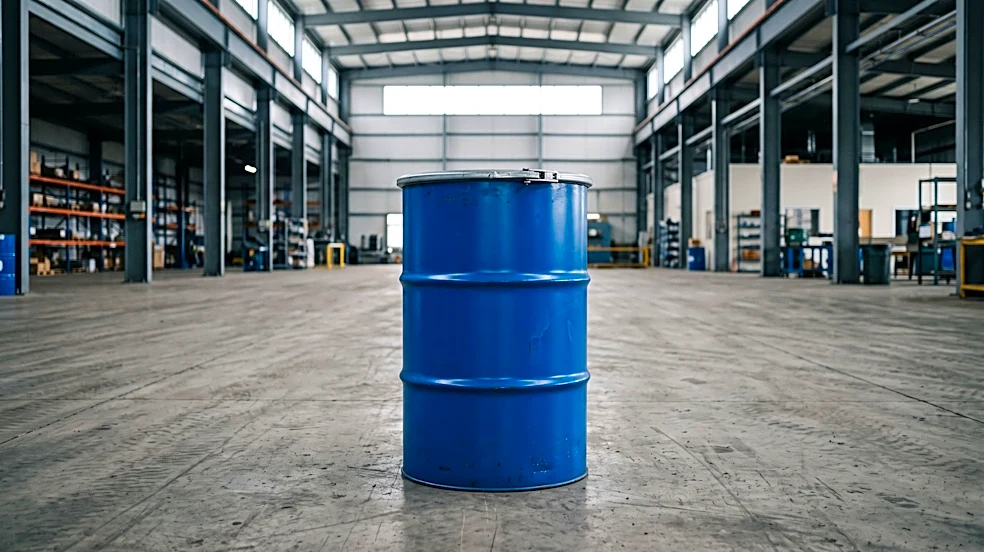
website now states that 'Quantities of PFOA may be produced, imported, and used by companies,' and that PFOS is also in U.S. production for 'limited, ongoing uses.' This change follows a complaint filed by Public Employees for Environmental Responsibility (PEER), which highlighted that the EPA was permitting the production of PFOA. The EPA had previously reached an agreement in 2015 with eight PFAS producers to phase out PFOA and PFOS production, but this was not a complete ban. Houston-based Inhance, for example, has continued to produce containers from which PFOA has been found to leach at high levels, manufacturing up to 200 million barriers annually for plastic containers used across the U.S. economy. The EPA's reversal marks a significant shift from its long-standing public stance on these chemicals.
Why It's Important?
This retraction by the EPA is important because it reveals that PFOA and PFOS, classified as carcinogenic or possibly carcinogenic to humans by the International Agency for Research on Cancer, are still being produced and used in the U.S., contrary to previous public understanding. The EPA itself has found that virtually no level of exposure to these compounds in drinking water is safe. The continued production and use of these chemicals pose an ongoing serious threat to public health, as they can leach into the contents of containers and contaminate the environment. The situation underscores the limitations of 'phase-out' agreements compared to outright bans, especially for chemicals with no safe exposure levels. This development could lead to increased public pressure on the EPA to implement stricter regulations and outright bans on these persistent and toxic substances, impacting industries that rely on PFAS-containing materials and potentially leading to further legal challenges.
What's Next?
Following the EPA's admission of ongoing PFOA and PFOS production, stakeholders like PEER are calling for effective enforcement action and outright bans on these chemicals. This could lead to renewed legal battles and increased scrutiny of the EPA's regulatory practices concerning PFAS. Businesses, particularly those involved in manufacturing plastic containers or other products that might use PFAS, could face heightened pressure to find alternative materials and processes. The EPA may be compelled to re-evaluate its approach to regulating PFAS, potentially moving towards more stringent measures beyond voluntary phase-outs. Public health advocates are likely to continue pushing for greater transparency and accountability from both regulatory bodies and manufacturers regarding the presence and impact of these persistent chemicals in consumer products and the environment. The long-term implications could include a shift in industrial practices and a stronger regulatory framework for environmental carcinogens.
Beyond the Headlines
The EPA's quiet retraction highlights a deeper issue regarding the effectiveness of environmental regulations and the influence of industry on policy. The initial 'phase-out' agreement, while presented as progress, allowed for loopholes that permitted continued production and use of harmful chemicals. This situation raises ethical questions about corporate responsibility and the government's role in protecting public health when faced with substances known to be carcinogenic. The ongoing presence of PFOA and PFOS in the environment and consumer products points to a systemic challenge in managing persistent pollutants. It also underscores the importance of independent oversight and advocacy groups like PEER in holding government agencies accountable for accurate information and robust enforcement. This event could trigger a broader re-evaluation of how 'phase-outs' are defined and implemented for other hazardous substances, potentially leading to a demand for more definitive bans when no safe exposure level exists.